Photo Story: Jalvayu Akhra — Building a Just Transition for Jharkhand, Together
1 September 2026
Share
Why is Jharkhand, a state with abundant natural resources, among the poorest in the nation? Is the state well equipped for an equitable transition when millions of people depend on these resources for their income and livelihood?
SAARTHI – Jharkhand Just Transition Network was formed to help community experiences inform inclusive and locally grounded transition pathways for the state. This process recognised key challenges that the state faces today: Declining forest-based livelihood systems, changing food systems, lack of awareness among stakeholders, and lack of diverse livelihood solutions.
To further its goals, the SAARTHI Network organised the Jalvayu Akhra – Resilient Jharkhand Summit in July, providing community members, youths, policymakers and researchers a platform to voice their experiences and commitments towards a just transition for the state. It was a space where climate conversations moved out of meeting rooms and into the experiences and traditional rhythms of Jharkhand, from traditional art forms to conversations on gender, food security, employment, local governance, and energy security.
Presently, the SAARTHI Network has 43 CSO partners working towards this initiative of an inclusive and community-led Just Transition process.
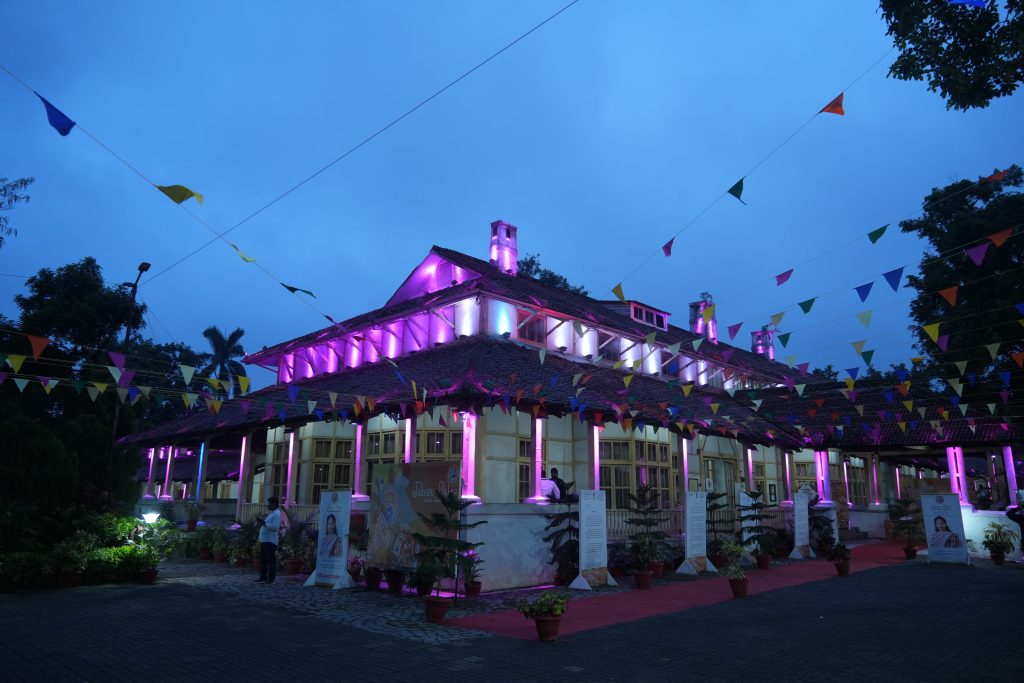
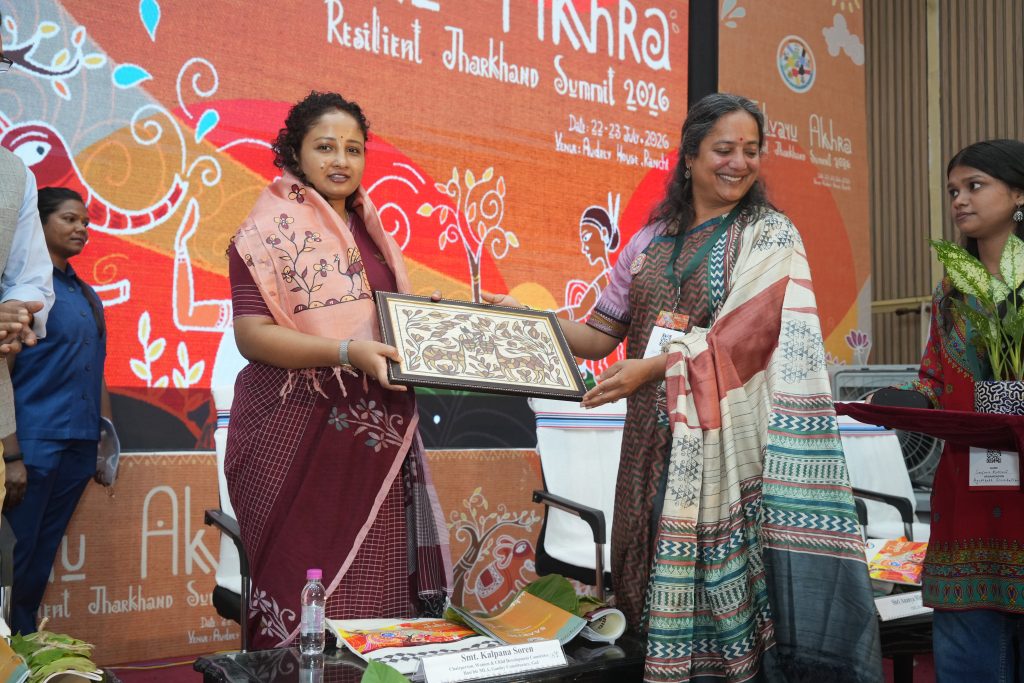
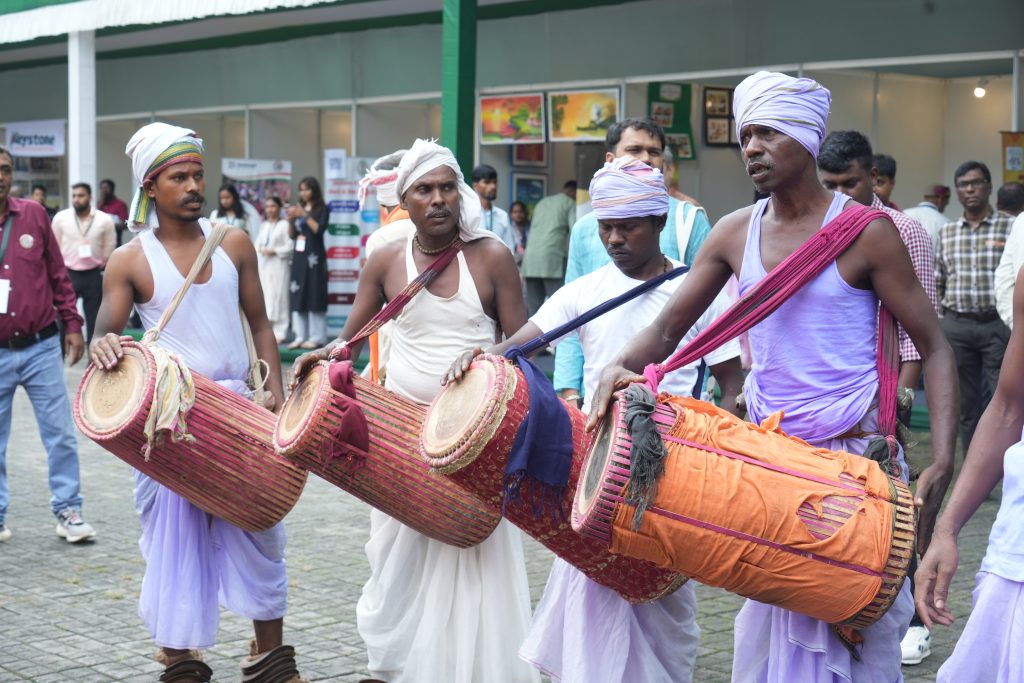
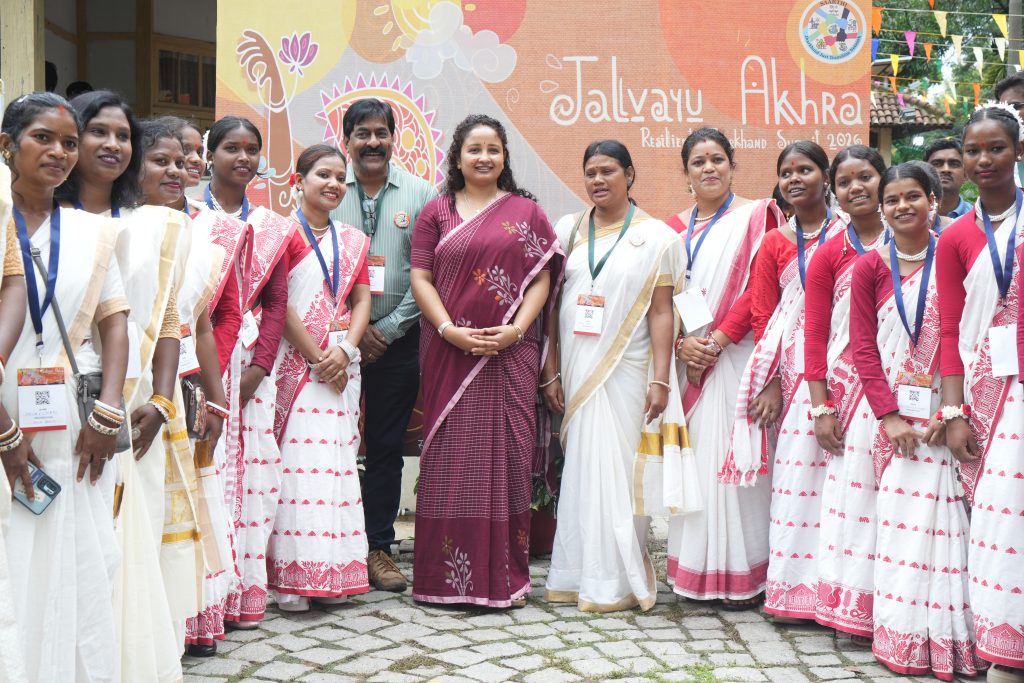
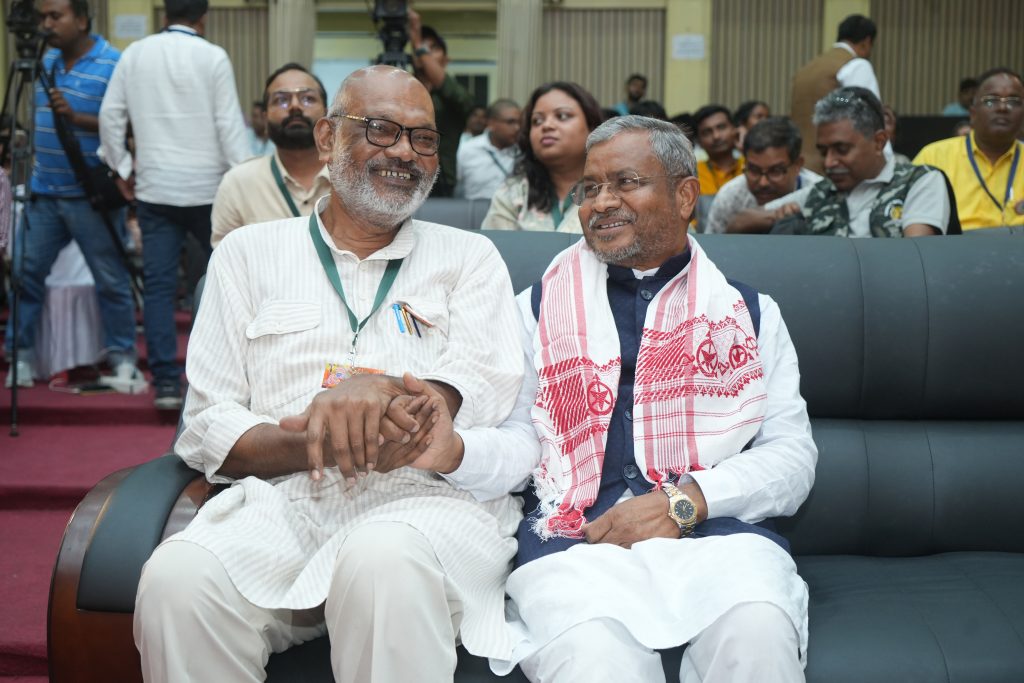
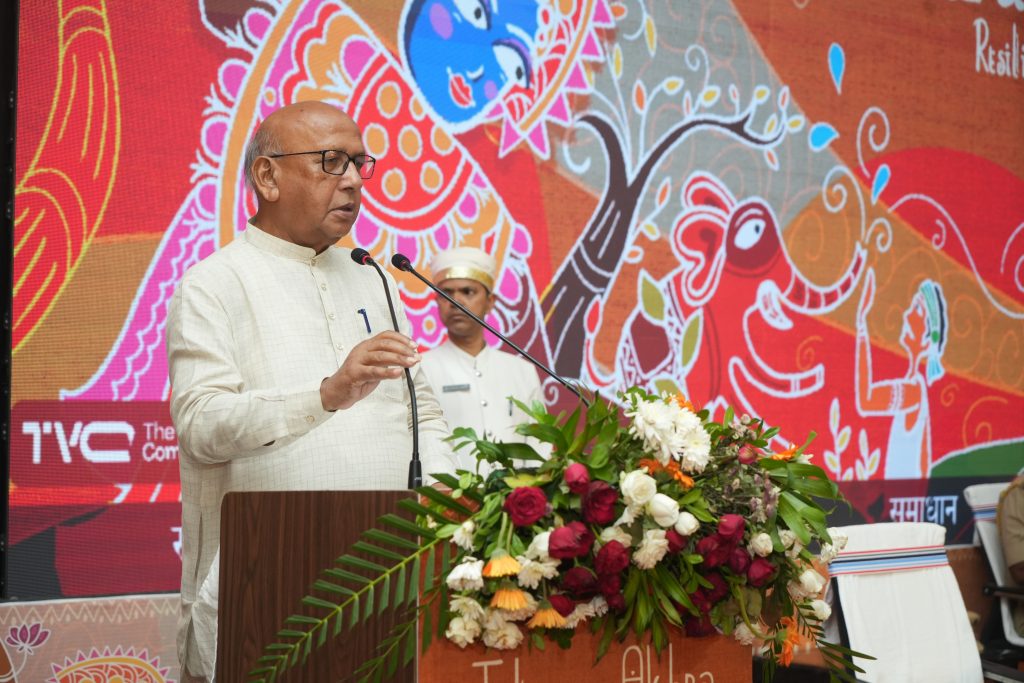
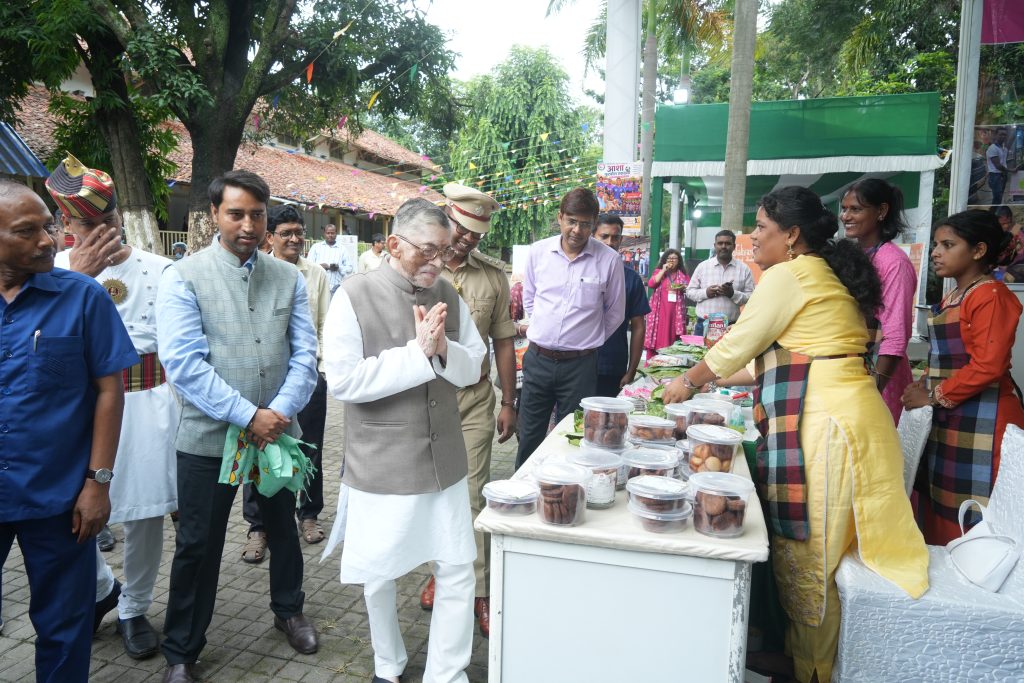
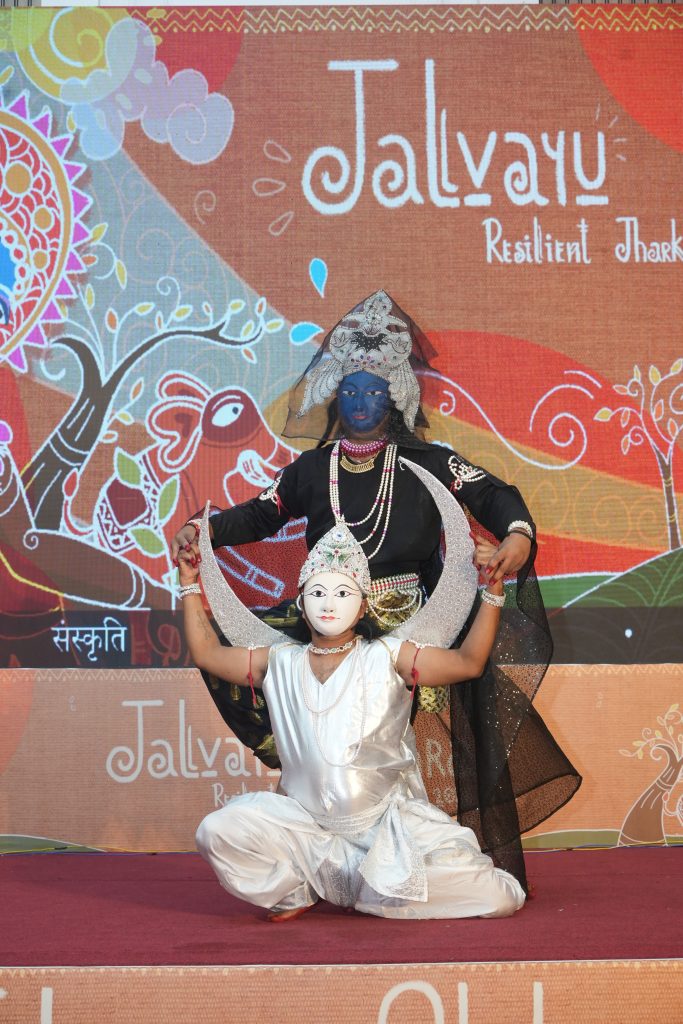
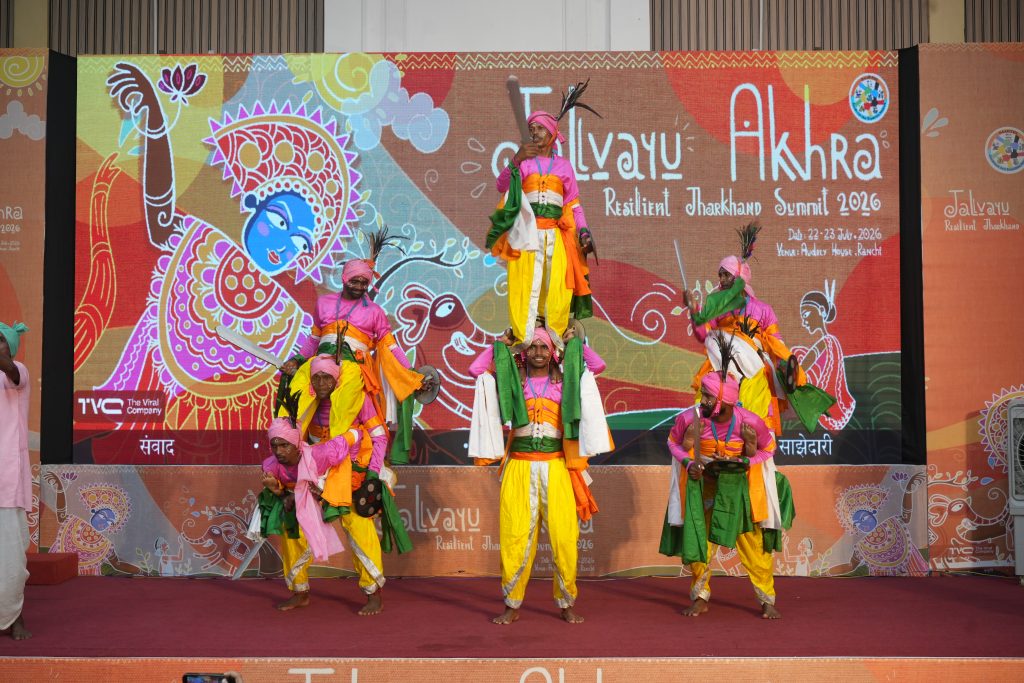
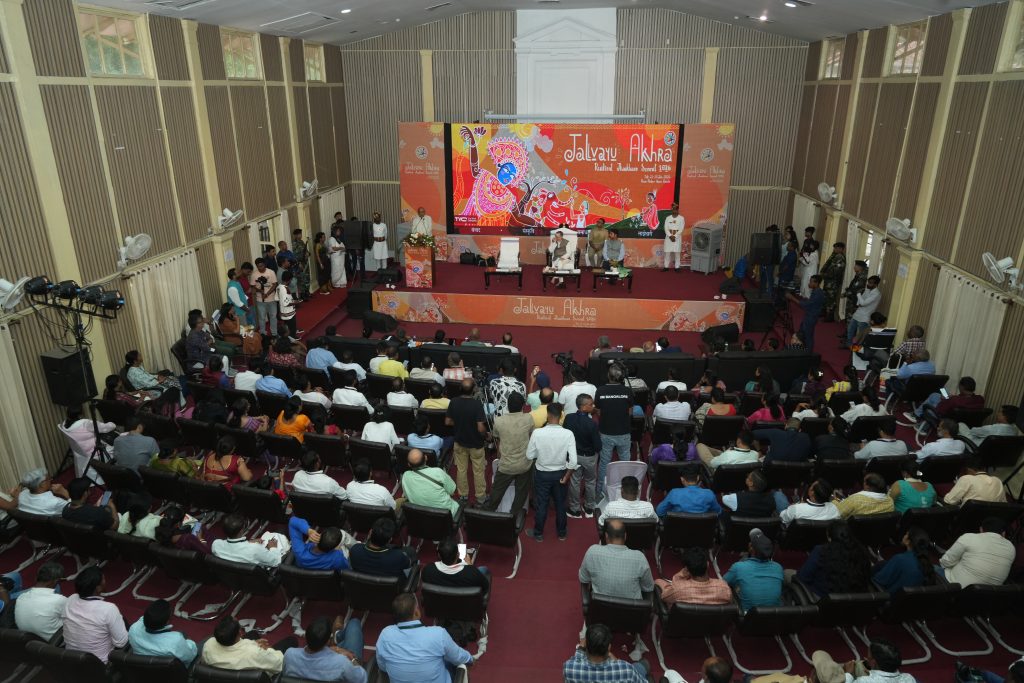
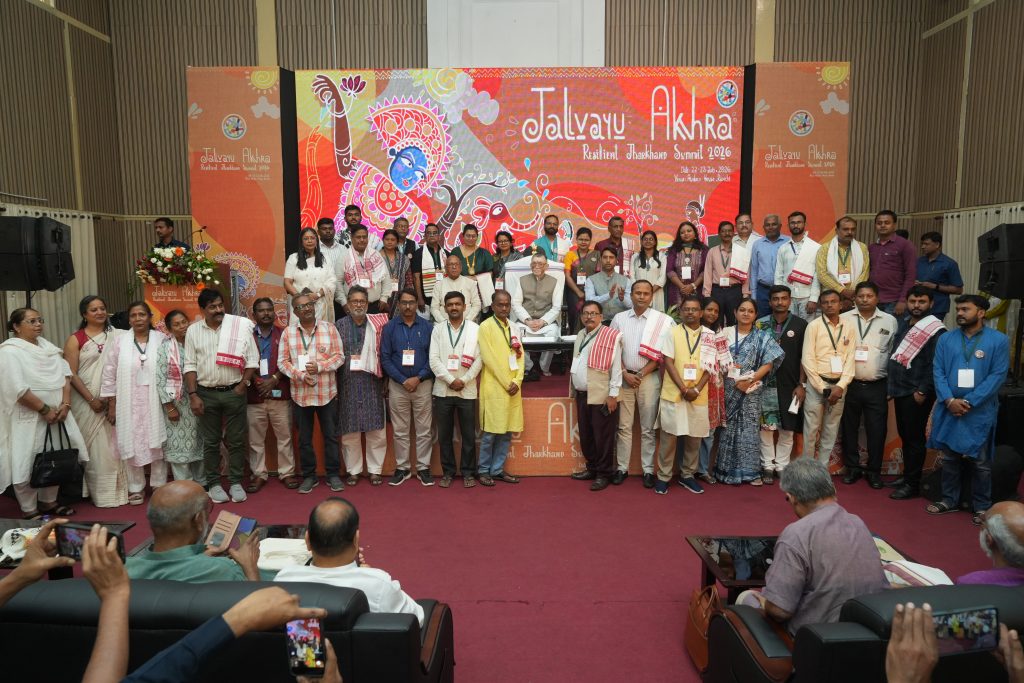
Jalvayu Akhra 2026 was hosted at the historic Audrey House in Ranchi. A 170-year-old heritage building, it is one of the oldest surviving structures in the city. Built in 1854 by former Captain John Hannyington and named after his daughter Audrey, the bungalow served as a British administrative residence and later hosted pivotal meetings during the Indian freedom struggle (including two presided over by Mahatma Gandhi in 1917).Vinuta Gopal, Asar’s CEO and co-founder, felicitated Jharkhand MLA Kalpana Soren with a traditional Sohrai Painting during the inaugural session of Jalvayu Akhra, 2026. Sohrai is an art form from Hazaribagh district that holds immense cultural importance for the Adivasis of Jharkhand, with several prominent landmarks including the Birsa Munda Airport and the Hazaribagh and Tatanagar railway stations decorated with vibrant Sohrai murals.Sounds of traditional mandars rang out while guests arrived at Audrey House. The mandar is a traditional clay hand drum that serves as the rhythmic soul and cultural identity of Jharkhand’s folk music. The instrument is widely played by the Santhal, Munda, Oraon, and Nagpuri communities.Kalpana Soren with a young cohort from ASHA (a SAARTHI network partner) dressed in traditional Nagpuri attire. For the women of the Chota Nagpur Plateau, the most distinctive indigenous outfit is the two-piece ensemble known as panchi and parhan. They are known by their pristine white or cream cotton base decorated with broad, thick red borders.Member of the Jharkhand Legislative Assembly, Babulal Marandi, shares a heartfelt moment with Mr. Ghyanshyam of the civil society group Samvad at Audrey House. Marandi served as the chief guest at Jalvayu Akhra.Jharkhand MLA Saryu Roy addressing the audience on the importance of collective participation for change on the second day of Jalvayu Akhra. Roy is renowned for leading public campaigns against industrial pollution, deforestation, and unregulated mining. Through his NGO Yugantar Bharati, he has spearheaded major conservation initiatives for regional rivers including the Damodar, which was a key point of discussion at the Akhra.Honorable Governor of Jharkhand, Santosh Kumar Gangwar (center), interacting with women-led organisations promoting traditional food items. Food security among the Adivasi communities in Jharkhand is marked by socioeconomic inequities, ecological vulnerabilities, and systemic gaps that the SAARTHI Network is trying to address.The Chhau Dance reminded us that protecting stories, traditional practices, and culture are equally important as technology and innovation for climate resilience. Chhau is a prominent semi-classical dance form arising from the martial, tribal, and folk traditions of eastern India. Seraikella in Jharkhand is the form’s epicenter.Climate action, much like the Paika dance, works best with a little trust, balance, and a whole lot of cooperation. The word Paika comes from the Sanskrit ‘padatika’, meaning foot soldier. Historically, Paikas were warriors who served medieval rulers and the dance dramatises battle techniques, combat readiness, courage, and valour.The Jalvayu Akhra brought experiences, learnings, and solutions from different perspectives under one roof for a just transition in Jharkhand.United We Stand: Representatives of the SAARTHI Network’s partner organisations take a photograph with the chief guest during the closing ceremony of the Jalvayu Akhra, 2026