Popup Image

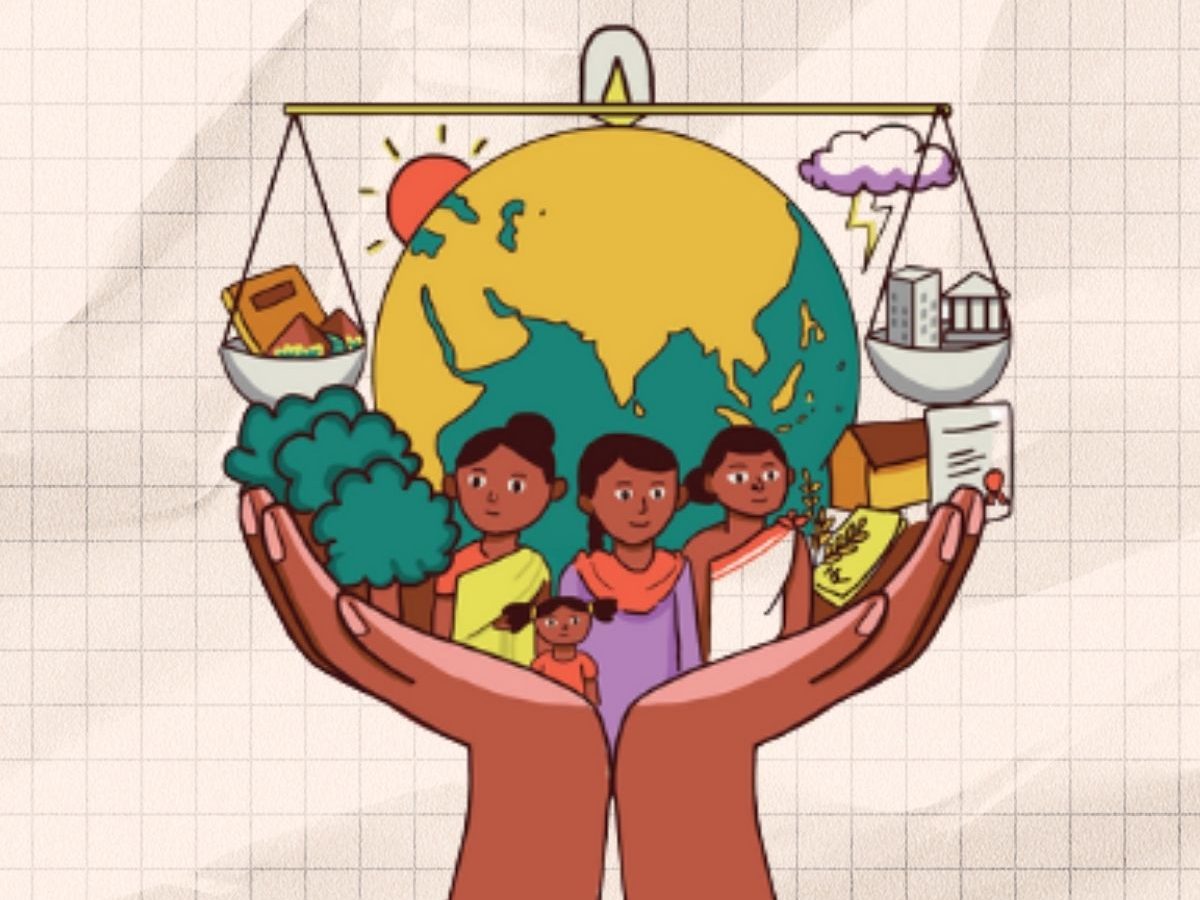
Share this powerful gallery of art and climate.

These paintings speak of survival, resistance, and care. Share this page with those who value community, creativity, and climate justice.

Gender and Climate Learning Series: Insights, Frameworks and Resources for Climate Justice

Asar, in partnership with the Community for Gender Equality and Climate Justice, launched the Gender and Climate Learning Series in July 2025, designed to deepen understanding, spark dialogue, and strengthen action at the critical intersection of gender and climate change.

While gender and climate are often discussed separately, their intersection holds transformative potential for equitable and effective climate solutions. This inaugural series aimed to bridge the gaps in knowledge, implementation, and evidence, making the case for why gender justice must be central to climate action.

Over four sequenced webinars, the series translated grassroots work into a shared learning space that participants could engage with, reflect on, and contribute to laying the groundwork for a community of practice. It brought together more than 600 participants from 30 countries, including practitioners, researchers, organisers, artists, and community members.

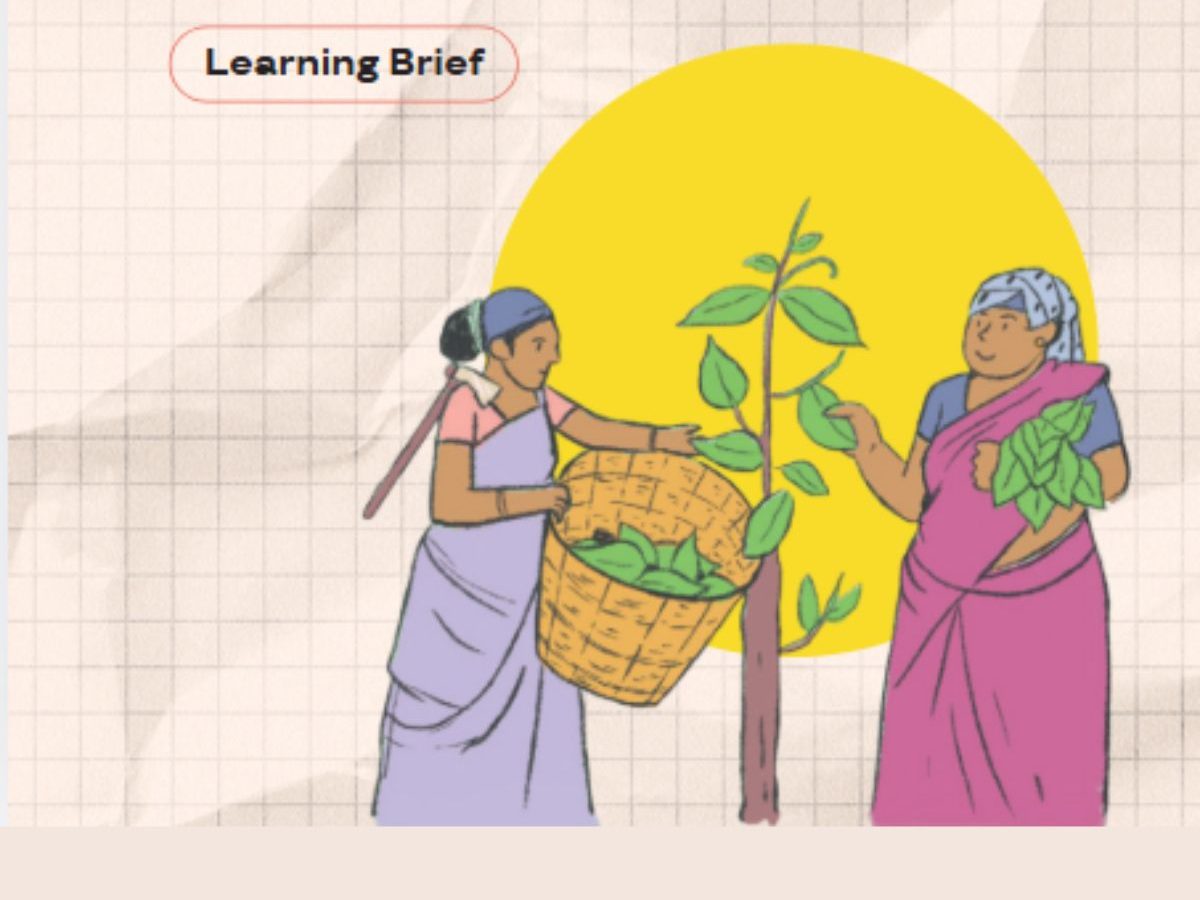
Climate-Resilient Livelihoods in Koraput, Led by Indigenous Women: Learning Brief

Asar, in partnership with the Community for Gender Equality and Climate Justice, launched the Gender and Climate Learning Series in July 2025, designed to deepen understanding, spark dialogue, and strengthen action at the critical intersection of gender and climate change.

Over four sequenced webinars, the series translated grassroots work into a shared learning space that participants could engage with, reflect on, and contribute to laying the groundwork for a community of practice. 

The first webinar, ‘𝐖𝐨𝐦𝐞𝐧-𝐥𝐞𝐝 𝐂𝐥𝐢𝐦𝐚𝐭𝐞 𝐑𝐞𝐬𝐢𝐥𝐢𝐞𝐧𝐭 𝐋𝐢𝐯𝐞𝐥𝐢𝐡𝐨𝐨𝐝𝐬’, spotlighted powerful stories from the ground, featuring Adivasi women from Koraput, Odisha, who are leading efforts to build climate-resilient livelihoods. The webinar explored how their leadership is rooted in feminist principles and Indigenous knowledge systems, offering transformative, community-driven pathways to resilience.

Here’s the learning brief created for the webinar to capture key insights and document the practices that are enabling Indigenous women to lead climate-resilient livelihood transitions in Koraput.

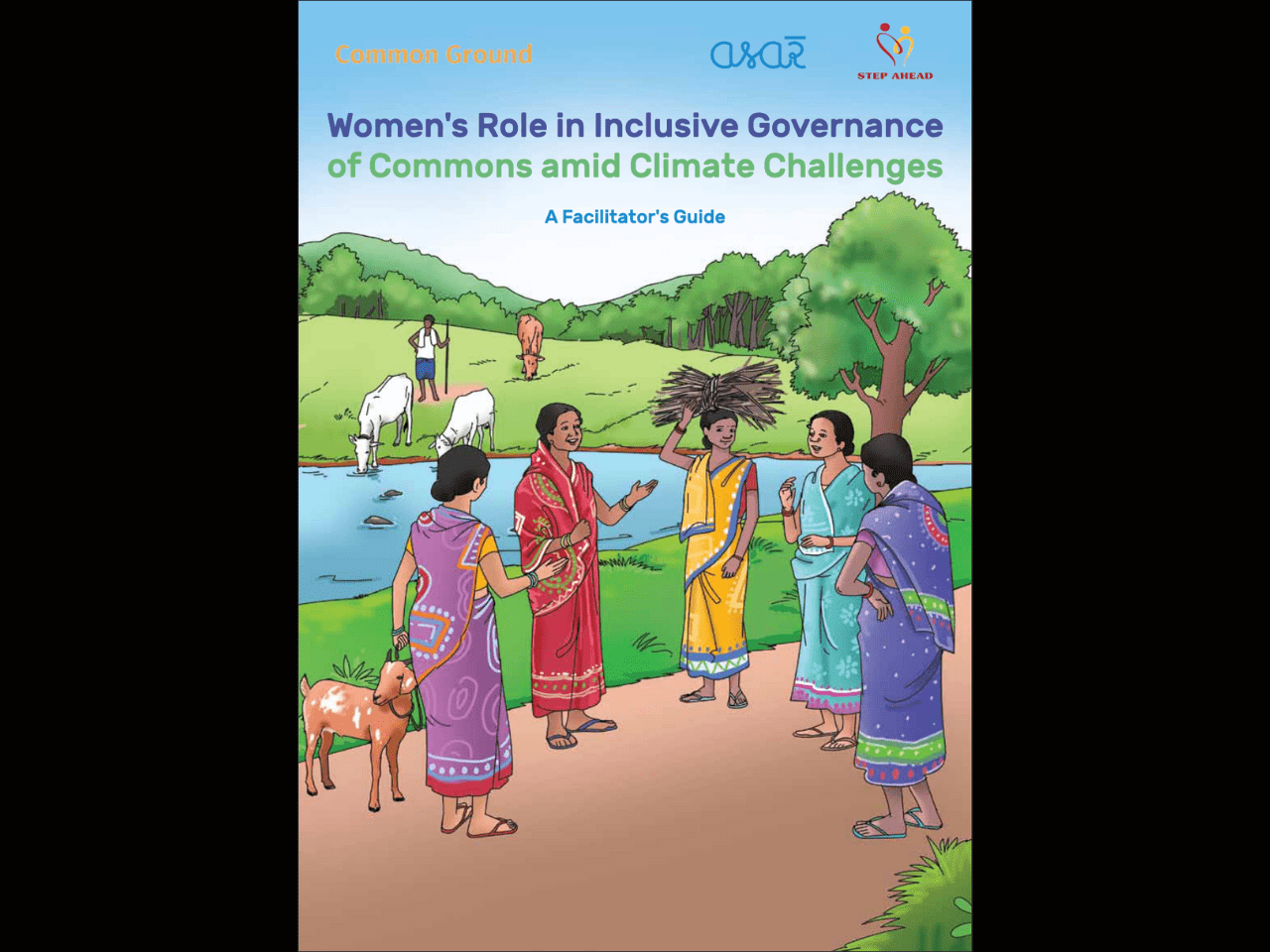
Women’s Role in Inclusive Governance of Commons amid Climate Challenges – A Facilitator’s Guide

The relationship between gender, commons, and climate change in India is complex and deeply interconnected. Commons—shared natural resources like forests, water, and land—represent collective heritage and are vital for cooperation, sustainability, and resilience. Gender plays a critical role in this equation, particularly in the context of climate change.

Women are central to the conservation and management of commons. Their traditional knowledge, practices, and deep understanding of biodiversity and climate contribute significantly to local ecosystems. Women use commons for household needs and livelihoods, making them essential to food security and community wellbeing. Their experiences and insights are vital for developing innovative, community-based climate solutions.

Facilitator’s Guide Overview
Target Audience: Indigenous women from Koraput district, Odisha.
Objective: To empower community members—especially women—with knowledge and tools to understand the commons and the regulatory frameworks governing them in Odisha. This guide supports mapping of local commons and facilitates dialogue with stakeholders for improved governance and ecological outcomes.
Duration: 5 days (40 hours)

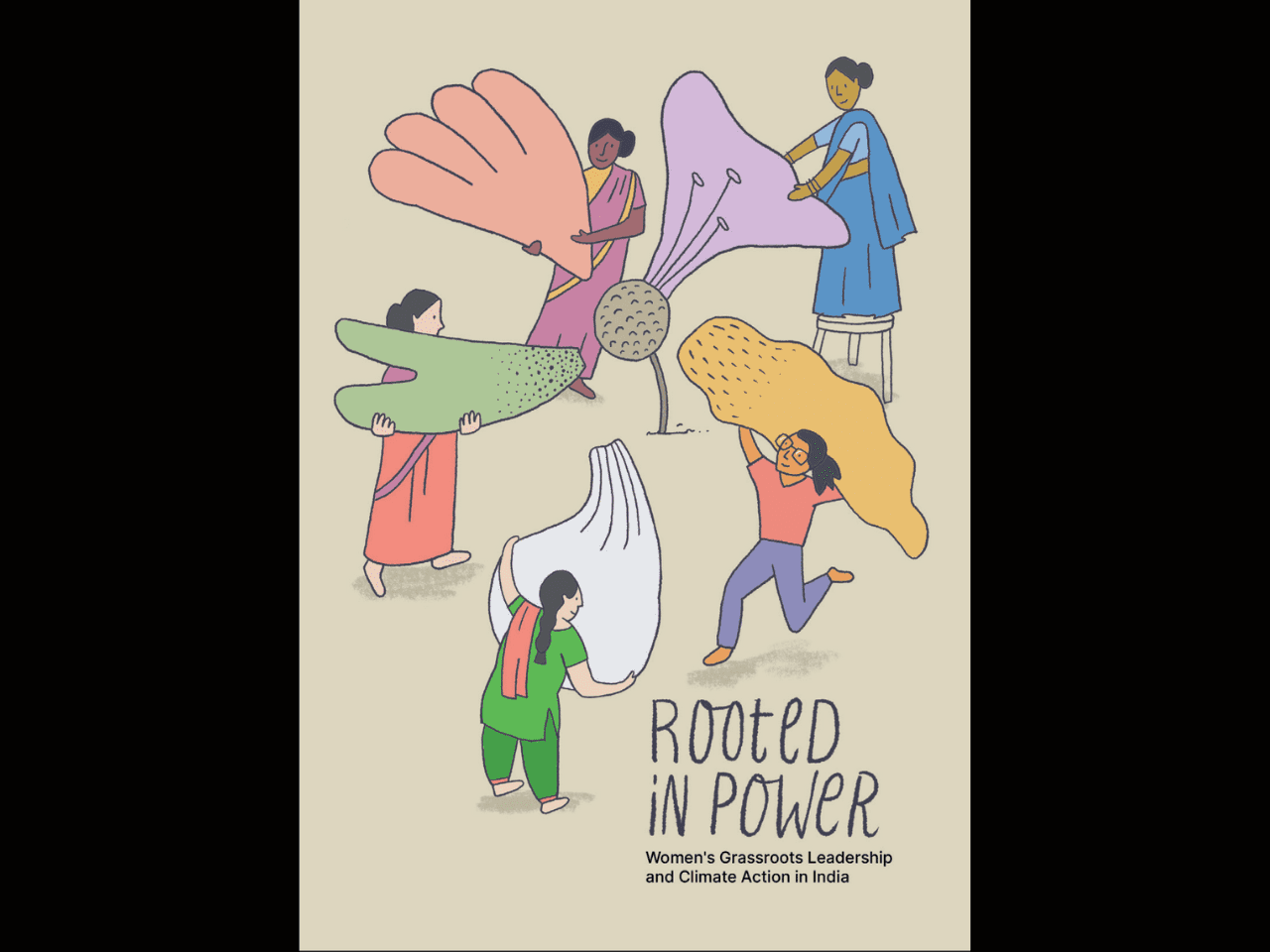
Rooted in Power – Women’s Grassroots Leadership and Climate Action in India

Climate change exacerbates existing gender inequities, with women from vulnerable and marginalized groups facing a harsher reality of climate-induced challenges. The broader discourse on climate, often technocratic and top-down, tends to overlook women and gender diverse identities, focusing instead on macro-level conversations centered around emissions, mitigation, and policy strategies.This leaves a significant gap in understanding the lived experiences of those who face the differential impacts of climate change and cope with the crisis despite limited resources.

Women are frequently portrayed as victims of the climate crisis, seldom recognized as active agents in mitigation and adaptation efforts. However, in India, countless women confront climate change daily, driving local solutions and building community resilience through their leadership. Rooted in Power: Women’s Grassroots Leadership and Climate Action in India is a graphic narrative series that aims to uncover such powerful stories of hope, resilience, and transformative leadership at the frontlines of the climate crisis.

Our first series narrates the following stories:

In Karnataka, Geetha and the remarkable women working with Hasiru Dala exemplify the critical role of waste pickers in mitigating climate impacts. Their story traces the journey of waste from our homes to landfills, revealing how small efforts can alleviate the hardships faced by thousands of waste pickers while highlighting their indispensable contribution to climate resilience.

In the narrow alleys of New Delhi’s slums, Rama, a former ASHA worker, leads a campaign against household air pollution. She tirelessly advocates for the adoption of cleaner cooking stoves, addressing an issue that increases the drudgery of thousands of women forced to rely on biomass due to financial and social constraints.

Janet, a writer, researcher, and artist from Bangalore, embarked on a journey along the Malabar coast, documenting the challenges faced by coastal communities deeply impacted by climate change. Her narrative sheds light on the lived realities of those on the frontlines, offering a poignant glimpse into the human face of the crisis.

In Maharashtra’s Marathwada region, Malan Raut, a determined farmer, practices the one-acre farming model championed by Swayam Shikshan Prayog. Despite recurring droughts and agrarian crisis, Malan has managed to secure a steady income for her family through climate-resilient agriculture, embodying resilience and innovation in the face of adversity.

From Odisha’s Koraput district, we share the inspiring tale of Malati and her community. With the support of NGO SPREAD, these women have developed a model for generating livelihoods from common lands, protecting them from private interests and environmental degradation. Their collective effort demonstrates the power of community-driven solutions in the fight against climate change.

Through these compelling stories, this graphic narrative celebrates the resilience, ingenuity, and strength of women actively addressing the climate crisis but rarely finding space in mainstream discourses on climate change. Their journeys are a testament to the power of grassroots action and the indomitable spirit of those who dare to make a difference.