Popup Image

Share this powerful gallery of art and climate.

These paintings speak of survival, resistance, and care. Share this page with those who value community, creativity, and climate justice.

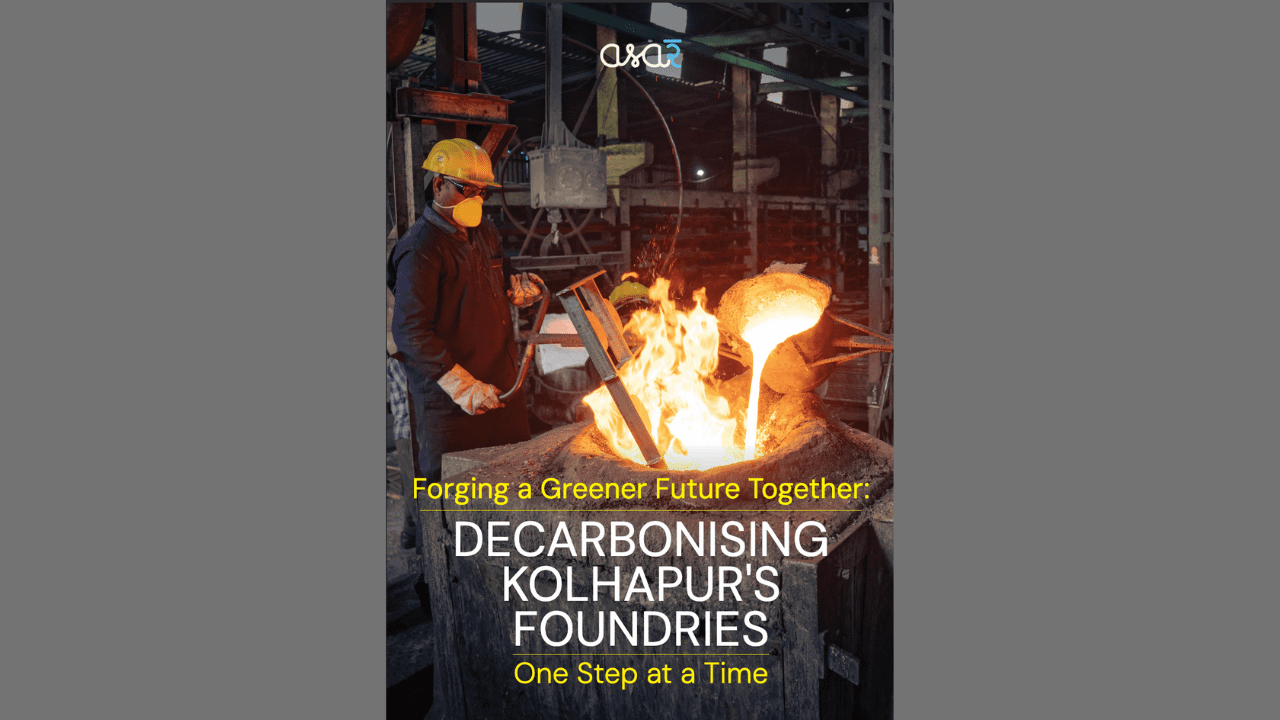
Forging a Greener Future Together: Decarbonising Kolhapur’s Foundries – One Step at a Time

India’s Micro, Small, and Medium Enterprises (MSMEs) drive economic growth, contributing over 30% of GDP, employing 110 million people, and making up nearly half of exports. As global trade and energy challenges intensify, MSMEs must cut emissions to stay competitive. Maharashtra, home to the largest number of MSMEs, is leading this transition. The Kolhapur Foundry Cluster, with 300 units producing 600,000 tonnes of castings annually, was chosen for a decarbonisation pilot due to its energy intensity and export relevance.

The pilot, covering three units across two industrial estates, included energy and safety audits, carbon footprint estimation (Scope 1 & 2), CBAM-readiness assessment, and mitigation roadmaps. Findings show simple energy efficiency (EE) measures—such as furnace and transformer optimisation—can deliver 9–45% savings with immediate payback. Technology upgrades like high-efficiency motors and digital monitoring also offer attractive returns. Since over 70% of foundries use electricity-intensive induction furnaces, EE and renewable energy (RE) adoption are crucial. While rooftop solar faces dust constraints, off-site and ground-mounted systems remain viable.

Key learnings highlight the need for financial access, ecosystem alignment, and continuous support. Beyond emissions reduction, decarbonisation enhances competitiveness, attracts green finance, creates green jobs, and ensures global trade readiness. The Kolhapur pilot proves scalable, cluster-based models can transform MSMEs toward low-carbon, resilient growth.

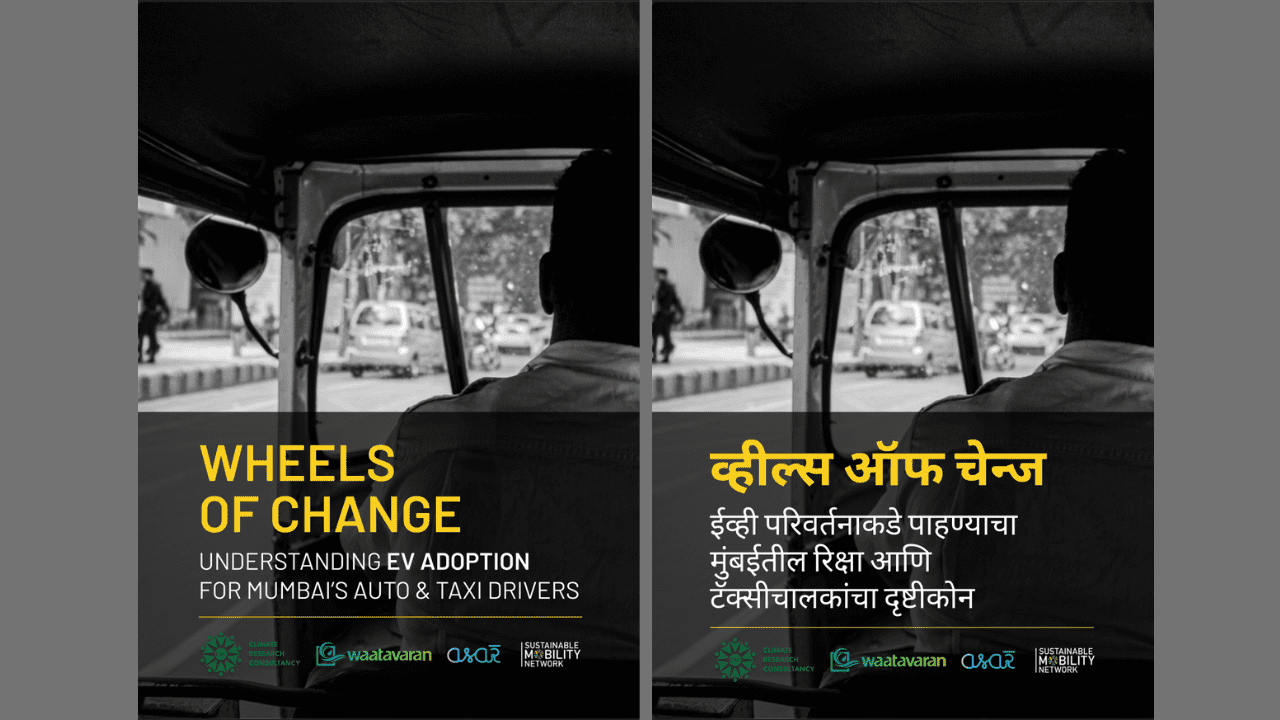
English | Wheels of Change – Understanding EV Adoption for Mumbai’s Auto & Taxi Drivers

This report captures key insights from a perception survey of 1,200 auto-rickshaw and taxi drivers across Mumbai, conducted by Waatavaran and Climate Research Consultancy in collaboration with Asar and the Sustainable Mobility Network. It brings together voices from the ground to understand drivers’ perspectives on transitioning to electric vehicles (EVs) and highlights the barriers, enablers, and pathways to building a just and sustainable mobility ecosystem for the city.

Key takeaways and highlights from the report:

  • Identifies major barriers to EV adoption among Mumbai’s auto and taxi drivers, including high upfront vehicle costs, limited charging infrastructure, and uncertainty around performance and maintenance.
  • Captures drivers’ perspectives on the economic, social, and health impacts of conventional fuel-based mobility, as well as their views on subsidies, financing, and infrastructure needed to support a shift to EVs.
  • Presents actionable recommendations for enabling EV adoption, such as building fast-charging and battery-swapping networks, creating dedicated EV parking and charging in high-demand areas, providing innovative financing solutions, and strengthening vehicle scrappage and recycling policies.
  • Highlights the role of awareness and training, with many drivers expressing interest in workshops and skill-building programs to better understand EV use, maintenance, and opportunities.
  • Documents policy evolution at the national and state level, including FAME, PM E-DRIVE, and Maharashtra’s EV policies, situating Mumbai’s transition within broader institutional and policy frameworks.
  • Introduces pathways for equitable electrification, emphasizing the need for inclusive solutions that address the realities of drivers living in informal settlements, and ensuring that the transition secures livelihoods while delivering environmental and health benefits.
  • Underscores the need for multi-stakeholder collaboration involving government, unions, industry, financiers, and civil society to create a supportive ecosystem for EV adoption.

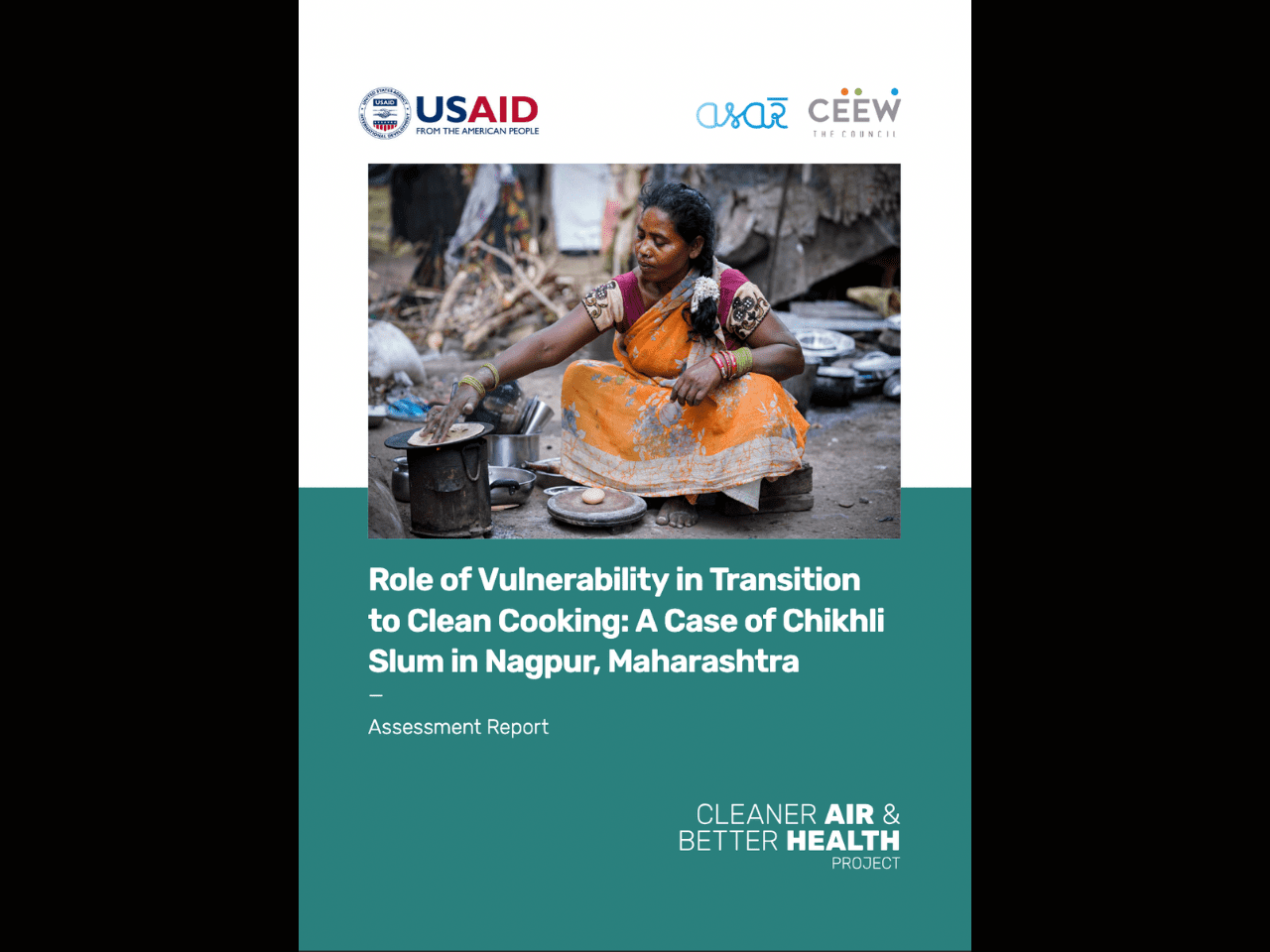
Assessment Report | Role of Vulnerability in Transition to Clean Cooking: A Case of Chikhli Slum in Nagpur, Maharashtra

This assessment explores the barriers to clean cooking among vulnerable communities in Chikhli slums, Nagpur, using a compounding vulnerability framework. Despite access to LPG connections, most households rely heavily on biomass due to affordability issues, cultural norms, and lack of awareness. Women, especially those in hazardous informal jobs, face severe health risks from continued chulha use. The report highlights the need for multifaceted policy interventions—ranging from targeted subsidies and IEC campaigns to land rights and localized LPG delivery—to support a just transition. It urges Nagpur Municipal Corporation to address intersecting socio-economic, gendered, and occupational vulnerabilities holistically.

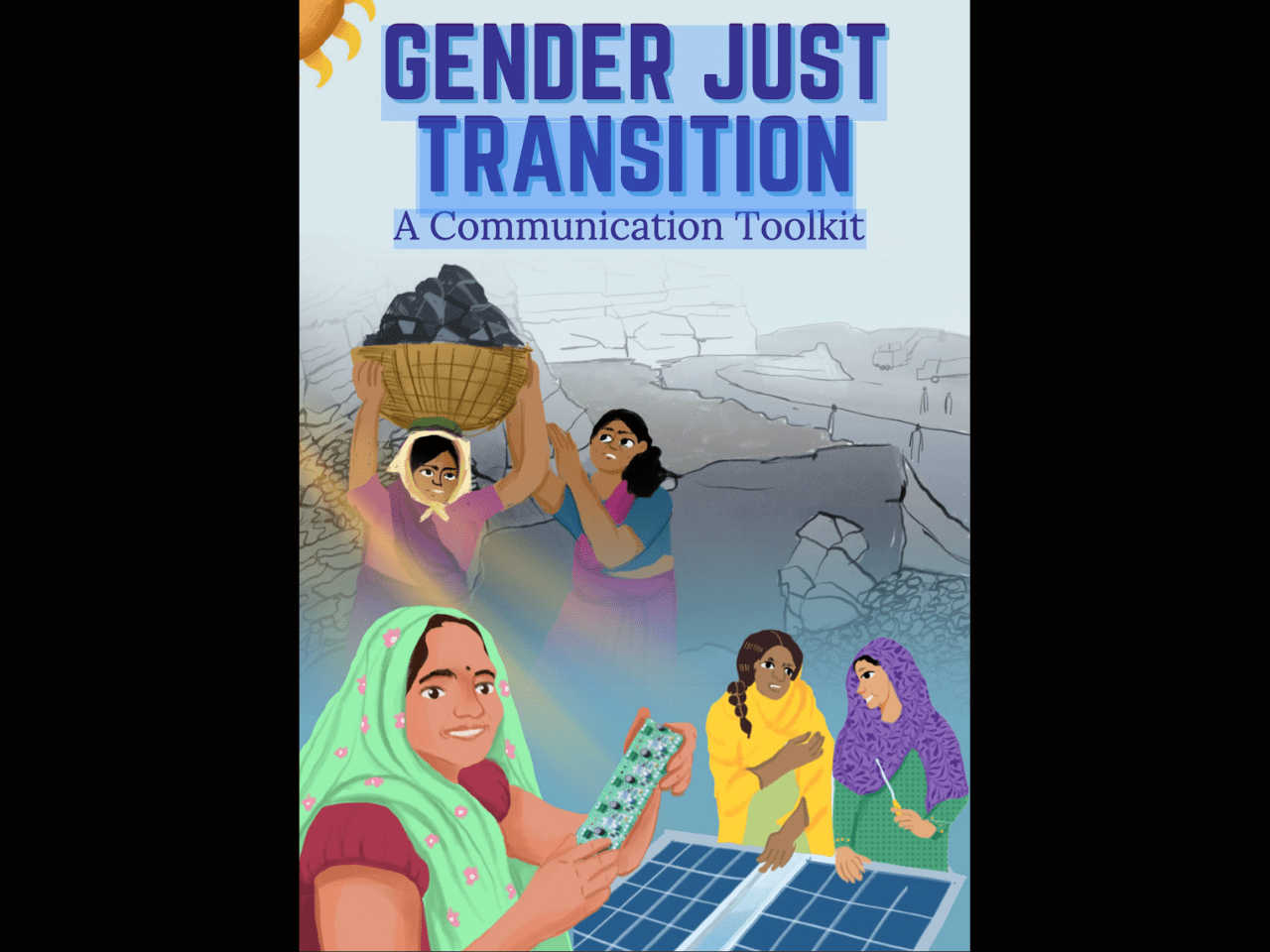
Gender Just Transition – A Communication Toolkit

This policy brief examines how drought Early Warning Systems (EWS) in Maharashtra can be made more gender-transformative. Drawing from field research with women farmers in Dharashiv, it highlights how current EWS fail to reach or support women due to technological barriers and gendered social norms. Women bear disproportionate burdens during droughts but remain excluded from planning and decision-making. The brief recommends localised, accessible communication, women-led committees, integration of traditional knowledge, and better access to food, water, health, and livelihoods. It advocates for a feminist, inclusive EWS that centres women’s voices, builds resilience, and ensures equitable drought preparedness.

Designing A Gender Transformative Drought Early Warning System – Perspective of Women Farmers from Dharashiv, Maharashtra

India faces acute vulnerability to climate-induced droughts, with regions like Marathwada in Maharashtra experiencing persistent and severe drought impacts. Despite advances in drought Early Warning Systems (EWS), these systems often fail to reach or serve the most affected populations—particularly women farmers—due to their heavy reliance on technology and lack of gender-responsive design.

This policy brief highlights findings from a mixed-methods study conducted in Dharashiv district, one of the most drought-prone areas in India. The study employed literature reviews, media analysis, and direct engagement with women farmers through focus group discussions (FGDs) and listening exercises. The goal was to examine existing EWS mechanisms, assess their gender responsiveness, and recommend actionable pathways to build a more inclusive and effective drought early warning system.

Key Findings:

  • Disproportionate Impact on Women: Women bear the brunt of drought-related hardships—ranging from food and water insecurity to mental health issues and increased caregiving burdens. Their role as primary caregivers and household managers amplifies their vulnerability.
  • Limited Access to EWS: Existing EWS—primarily reliant on mobile, television, and radio communications—fail to adequately reach women due to barriers like limited technological access, low literacy, and exclusion from community-level decision-making.
  • Traditional Knowledge Undervalued: Women rely significantly on traditional and indigenous forecasting systems, which remain largely excluded from formal EWS frameworks.
  • Barriers to Participation: Patriarchal norms, domestic responsibilities, and social perceptions restrict women’s involvement in drought preparedness planning, both at the household and community levels.

Recommendations:

  1. Localised and Inclusive Communication: Use community-based tools like temple speakers, SHG meetings, and women’s gram sabhas for timely, simplified drought warnings in local languages.
  2. Women’s Leadership in EWS: Institutionalise women’s participation in drought planning through village-level committees and representation in Gram Panchayat meetings.
  3. Strengthen Food and Water Security: Promote women-led food preservation, seed banks, and water storage infrastructure; enhance Public Distribution Systems with targeted provisions for vulnerable women.
  4. Support Livelihood Resilience: Improve women’s access to credit, employment (e.g., NREGS), and drought-resistant farming techniques; encourage bio-farming and local input generation.
  5. Enhance Health and Safety: Train frontline workers to address gendered health needs during droughts and provide safe spaces to counter rising gender-based violence.
  6. Media and Policy Engagement: Develop media toolkits and encourage coverage that centers women’s voices and links drought to broader climate change narratives.

This brief concludes that a gender-transformative approach to drought EWS—one that integrates women’s knowledge, addresses intersectional vulnerabilities, and ensures equitable access to warnings and resources—is not just inclusive but essential for building resilient farming communities.

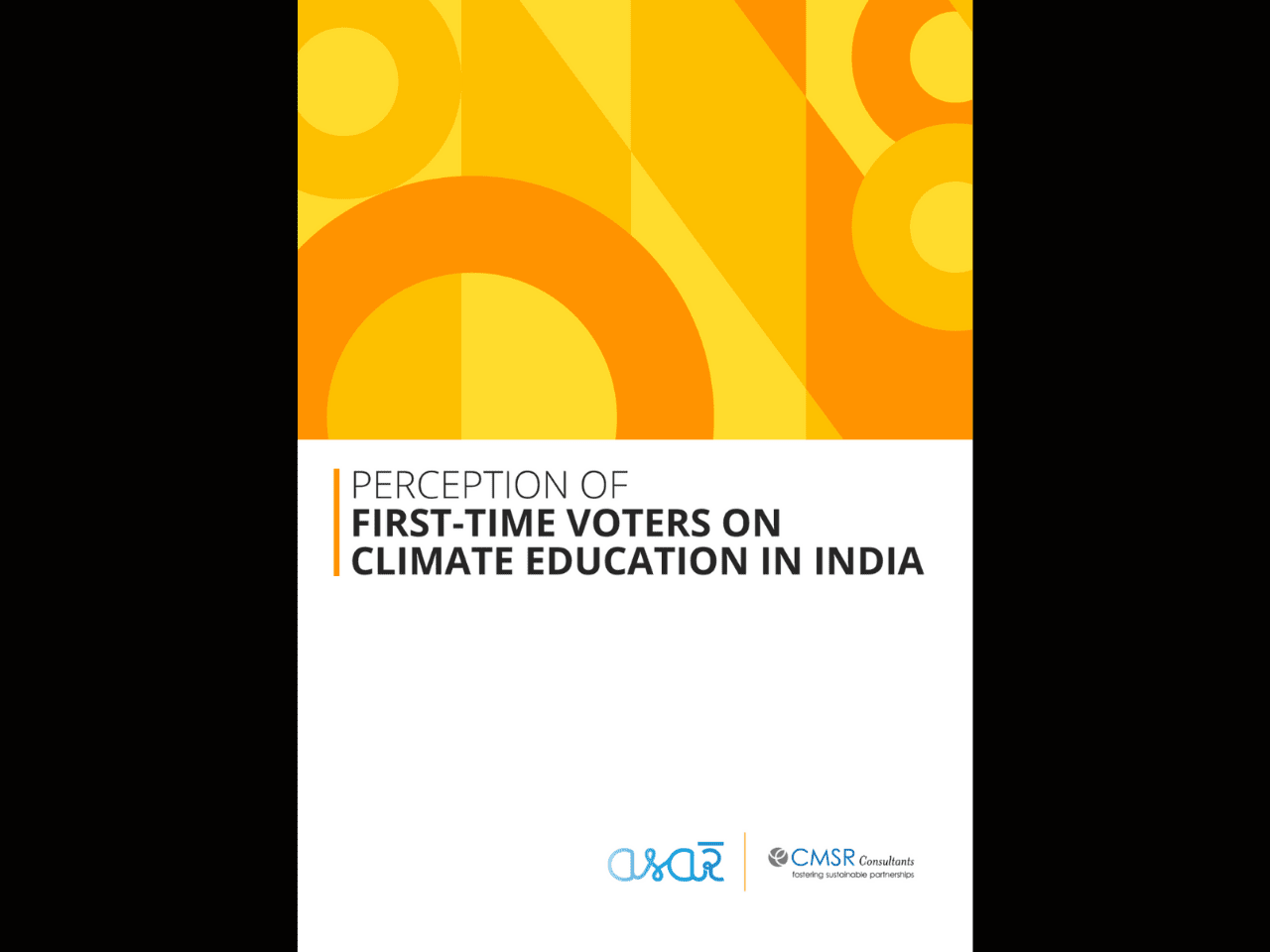
Perception of First-Time Voters on Climate Education in India

This executive summary outlines the findings of a comprehensive study that aimed to understand first-time voters’ perceptions of climate education.

A. Context, Objectives & Methodology

The study recognizes climate change as a global challenge with profound implications for ecosystems, economies, and societies, primarily driven by human activities like fossil fuel combustion and deforestation. In India, climate change education is crucial for sustainable development due to its large population and diverse socio-economic landscape. Understanding first-time voters’ perceptions on this topic is vital for shaping effective policies and initiatives in India. The study focused on the perceptions of climate education among first-time voters in selected cities. It aimed to assess their awareness, the importance they place on it, their satisfaction levels, and their expectations regarding climate education through a survey conducted across seven cities in four states. The research used a mixed-method approach, combining quantitative surveys and qualitative focus group discussions. A total of 1600 first-time voters from seven cities across four Indian states participated, ensuring diverse demographic representation. Data collection followed ethical standards, ensuring voluntary participation, informed consent, confidentiality, and data protection.

B. Demographic Profile

The study had a relatively equitable gender distribution across locations, with variations in age, educational status, and household income. Most respondents were 18 to 22 years old, with educational backgrounds ranging from Intermediate/Sr. Secondary to Bachelor’s Degrees. Household income varied by state, with most falling into middle-income brackets.

C. Key Findings

  • Quality of Environmental Education in Schools/Colleges: Responses varied regionally. In Delhi, 58% found it ‘average’ and 25% ‘poor’. In Maharashtra and West Bengal, the majority (47% and 58% respectively) rated it ‘good’. In Tamil Nadu, 39% found it ‘good’ and 25% ‘average’.
  • Coverage of Climate Change Topics: Common topics included global warming, greenhouse gas emissions, renewable energy, and biodiversity loss. However, most participants were dissatisfied with the lack of depth and solution-oriented approaches. There was a common sentiment of inadequate coverage and a lack of practical solutions, despite some detailed discussions on specific aspects. Participants emphasized the need for practical solutions, integration of sustainable development goals and waste segregation, and mandatory, unbiased climate education with adjusted credit scoring. A notable lack of awareness about climate change causes and consequences was observed, highlighting a need for more knowledge dissemination. Comprehensive and in-depth coverage of topics like global warming, medical waste management, acid rain, ozone depletion, and industrial pollution was emphasized, along with detailed information on mitigation and reversal strategies. Educating students on mitigation measures such as reducing greenhouse gas emissions, transitioning to renewable energy, sustainable land-use practices, and enhancing climate impact resilience was also suggested.
  • Adequacy of Information: While many respondents felt adequately informed about climate change causes and consequences through education, qualitative findings indicated that the knowledge imparted was insufficient.
  • New Learning About Climate Change: In Maharashtra, West Bengal, and Tamil Nadu, 93%, 89%, and 82% of respondents, respectively, reported learning new and significant aspects of climate change in school. In Delhi, only 23% reported the same. Focus group discussions (FGDs) revealed learning about different environments, biodiversity, the greenhouse effect, endangered species, the impacts of human activities (deforestation, factory emissions, excessive farming with chemical fertilizers and pesticides leading to rising temperatures), and the importance of conserving resources and promoting the “three Rs” (Reduce, Reuse, Recycle).
  • Confidence in Understanding Climate Change: A majority of respondents from Delhi (67%), Tamil Nadu (61%), West Bengal (57%), and Maharashtra (44%) expressed some confidence in their understanding of climate change, indicating room for improvement in education and awareness. Participants from Coimbatore noted that climate education often emphasized facts over critical thinking, leading to under-confidence in understanding climate change and mitigation strategies, and highlighted the superficial inclusion of Environmental Studies in college. Kolkata participants mentioned being introduced to basic concepts but lacked comprehensive understanding.
  • Integration of Climate Change Knowledge into Daily Life: Approximately 63% to 95% of respondents adopted climate knowledge in their daily lives, with higher education correlating with increased adoption. Qualitative discussions revealed practices such as using public transport, college initiatives like banning single-use plastic, embracing solar energy, avoiding water waste, segregating waste, using reusable bags and water bottles, and switching to bamboo toothbrushes. Participants also engaged in tree planting and plastic reduction.
  • Emotional Responses to Climate Change Education: Hopelessness, fear, and anxiety were prevalent emotional responses, suggesting a need for education that addresses emotional well-being and fosters resilience.
  • Significance of Incorporating Climate Education into Learning Systems: A significant majority of respondents from West Bengal (89%) and Delhi (86%), and over half from Tamil Nadu and West Bengal, considered incorporating climate awareness into climate education “extremely important” or “very important”. FGDs emphasized early exposure to climate education to increase environmental awareness and empower future decision-makers, fostering sensitivity and potentially reducing activities contributing to climate change.
  • Key Benefits of Climate Education in the Curriculum: Respondents highlighted benefits such as empowering students to understand and address climate challenges, promoting sustainable practices, fostering global citizenship, and shaping environmentally conscious individuals capable of informed decisions and contributing to a healthier future.
  • Contextualizing the Climate Crisis: Respondents expressed varying concerns across regions. While economic and public health crises received widespread attention, the climate crisis was significantly recognized, particularly in West Bengal and Delhi. Views on responsibility differed, with some attributing it to individual citizens, governments, industries, or a combination.
  • Effective Strategies to Tackle the Climate Crisis by Government: Suggested strategies included enhancing sustainable transportation infrastructure (87% in West Bengal, 74% in Delhi), implementing stricter carbon emission regulations (80% in West Bengal, 72% in Delhi), and conducting climate education and awareness programs (55% in Tamil Nadu, 52% in Maharashtra). Prioritizing renewable energy development and utilization was also suggested.
  • The Importance of Tackling the Climate Crisis as a Shared Global Responsibility: A consensus emerged that addressing the climate crisis is a shared global responsibility, with the majority agreeing on the necessity of collaborative efforts. Specifically, 95% from Delhi, 94% from West Bengal, 72% from Tamil Nadu, and 71% from Maharashtra strongly agreed or agreed that finding solutions should be a collective global effort.
  • Expectations from Political Candidates and Parties: While a notable majority in Maharashtra (83%) expressed confidence in the government’s climate change efforts, a significant portion in West Bengal (66%), Tamil Nadu (62%), and Delhi (60%) shared similar sentiments. However, qualitative discussions revealed a more critical outlook, highlighting perceived governmental deficiencies and the demand for more decisive action. These discussions pointed to a lack of accountability, the need for enhanced collaboration, and the urgency of effective climate change measures, leading to various recommendations for mitigating impacts and fostering sustainable practices.
  • Engaging Students in Climate-related Initiatives and Awareness Programs: Suggestions for fostering environmental stewardship included integrating climate initiatives with existing campaigns, promoting practical engagement through fieldwork and internships, mandating community service, organizing workshops and meetings, facilitating hands-on activities like plantation drives, and incentivizing student participation.
  • Political and Personal Power Sentiments: In West Bengal, Tamil Nadu, and Maharashtra, a significant portion felt they could make themselves heard by decision-makers. In Delhi, however, the majority disagreed, indicating a lack of confidence in influencing decisions. Similarly, while many in West Bengal and Tamil Nadu felt their voices were heard in their communities, most in Delhi disagreed. Despite these disparities, respondents across all regions generally believed in their power to effect change in important matters and felt confident in controlling their career and professional development. A considerable proportion in West Bengal and Maharashtra believed they could influence community decisions, while fewer in Tamil Nadu and Delhi shared this.
  • Political Engagement, Optimism, and Nostalgia: While a significant portion in West Bengal and Maharashtra felt disengaged from the political system, half in Tamil Nadu and less in Delhi disagreed. A substantial majority in West Bengal, Delhi, and Maharashtra believed the past was better than the present, contrasting with Tamil Nadu. Despite this, respondents from West Bengal, Delhi, and Maharashtra were optimistic about solving societal crises, while a lower percentage in Tamil Nadu shared this view. Furthermore, respondents from West Bengal, Delhi, and Maharashtra were confident their children would have a better life, a sentiment not as widely shared in Tamil Nadu. Finally, a majority from West Bengal, Delhi, and Maharashtra wished for simpler times, while a smaller proportion from Tamil Nadu endorsed this.

D. Conclusions

The study’s findings offer valuable insights into first-time voters’ perceptions of climate education in India. There is a clear recognition of climate education’s importance, but notable disparities exist in its quality and depth across regions. Key areas for improvement include enhancing coverage depth, integrating practical solutions, and ensuring cultural relevance in the curriculum. Respondents strongly agreed on incorporating climate education into formal learning systems from an early age, emphasizing practical knowledge and interdisciplinary perspectives. Participants also stressed the importance of political commitment to addressing climate change, indicating growing voter awareness of environmental sustainability’s influence on political decisions. Efforts to engage students in climate-related initiatives and awareness programs were deemed crucial for fostering environmental stewardship. Additionally, the study highlighted the need to empower individuals to believe in their capacity for both personal and political change.

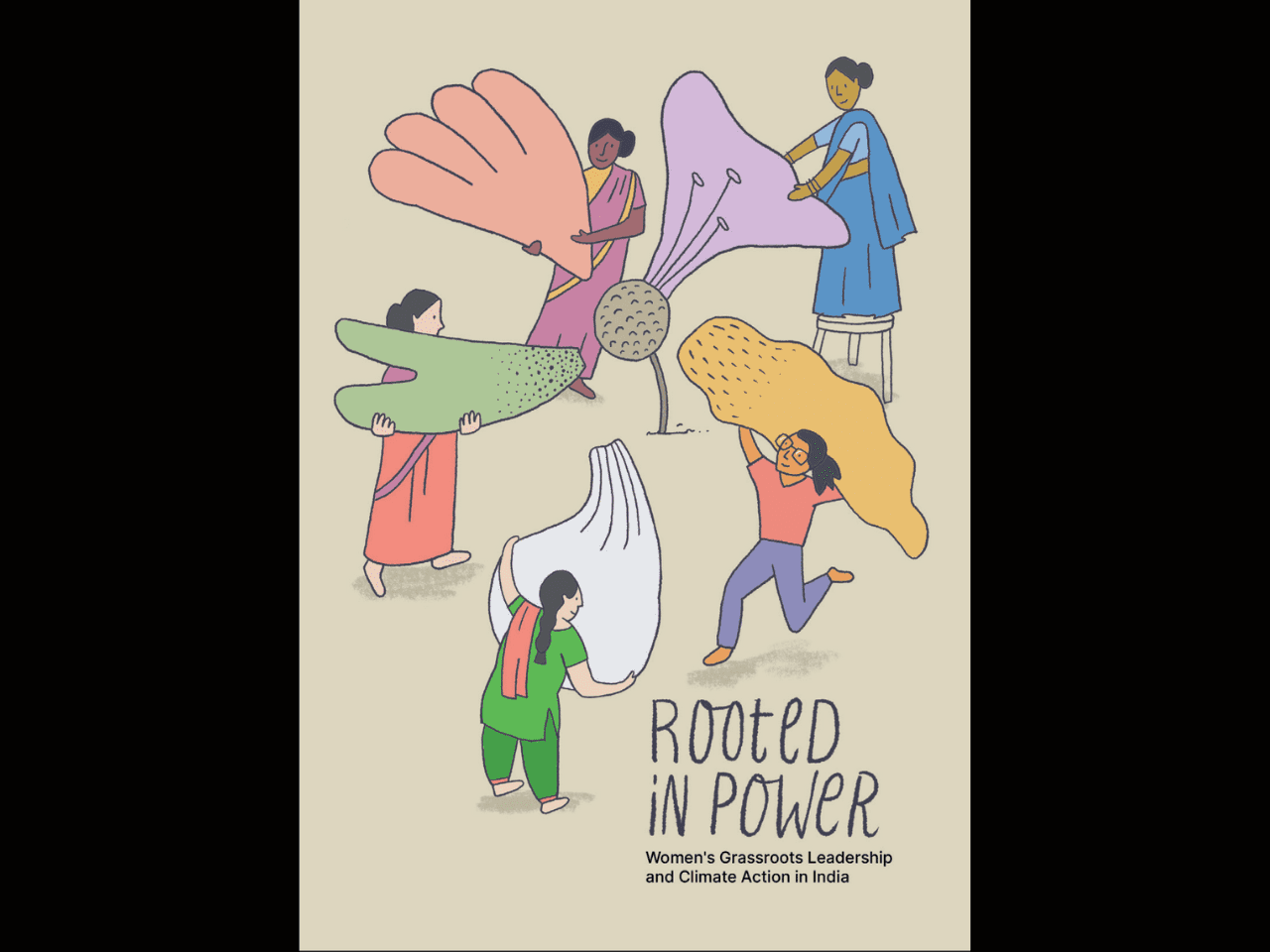
Rooted in Power – Women’s Grassroots Leadership and Climate Action in India

Climate change exacerbates existing gender inequities, with women from vulnerable and marginalized groups facing a harsher reality of climate-induced challenges. The broader discourse on climate, often technocratic and top-down, tends to overlook women and gender diverse identities, focusing instead on macro-level conversations centered around emissions, mitigation, and policy strategies.This leaves a significant gap in understanding the lived experiences of those who face the differential impacts of climate change and cope with the crisis despite limited resources.

Women are frequently portrayed as victims of the climate crisis, seldom recognized as active agents in mitigation and adaptation efforts. However, in India, countless women confront climate change daily, driving local solutions and building community resilience through their leadership. Rooted in Power: Women’s Grassroots Leadership and Climate Action in India is a graphic narrative series that aims to uncover such powerful stories of hope, resilience, and transformative leadership at the frontlines of the climate crisis.

Our first series narrates the following stories:

In Karnataka, Geetha and the remarkable women working with Hasiru Dala exemplify the critical role of waste pickers in mitigating climate impacts. Their story traces the journey of waste from our homes to landfills, revealing how small efforts can alleviate the hardships faced by thousands of waste pickers while highlighting their indispensable contribution to climate resilience.

In the narrow alleys of New Delhi’s slums, Rama, a former ASHA worker, leads a campaign against household air pollution. She tirelessly advocates for the adoption of cleaner cooking stoves, addressing an issue that increases the drudgery of thousands of women forced to rely on biomass due to financial and social constraints.

Janet, a writer, researcher, and artist from Bangalore, embarked on a journey along the Malabar coast, documenting the challenges faced by coastal communities deeply impacted by climate change. Her narrative sheds light on the lived realities of those on the frontlines, offering a poignant glimpse into the human face of the crisis.

In Maharashtra’s Marathwada region, Malan Raut, a determined farmer, practices the one-acre farming model championed by Swayam Shikshan Prayog. Despite recurring droughts and agrarian crisis, Malan has managed to secure a steady income for her family through climate-resilient agriculture, embodying resilience and innovation in the face of adversity.

From Odisha’s Koraput district, we share the inspiring tale of Malati and her community. With the support of NGO SPREAD, these women have developed a model for generating livelihoods from common lands, protecting them from private interests and environmental degradation. Their collective effort demonstrates the power of community-driven solutions in the fight against climate change.

Through these compelling stories, this graphic narrative celebrates the resilience, ingenuity, and strength of women actively addressing the climate crisis but rarely finding space in mainstream discourses on climate change. Their journeys are a testament to the power of grassroots action and the indomitable spirit of those who dare to make a difference.
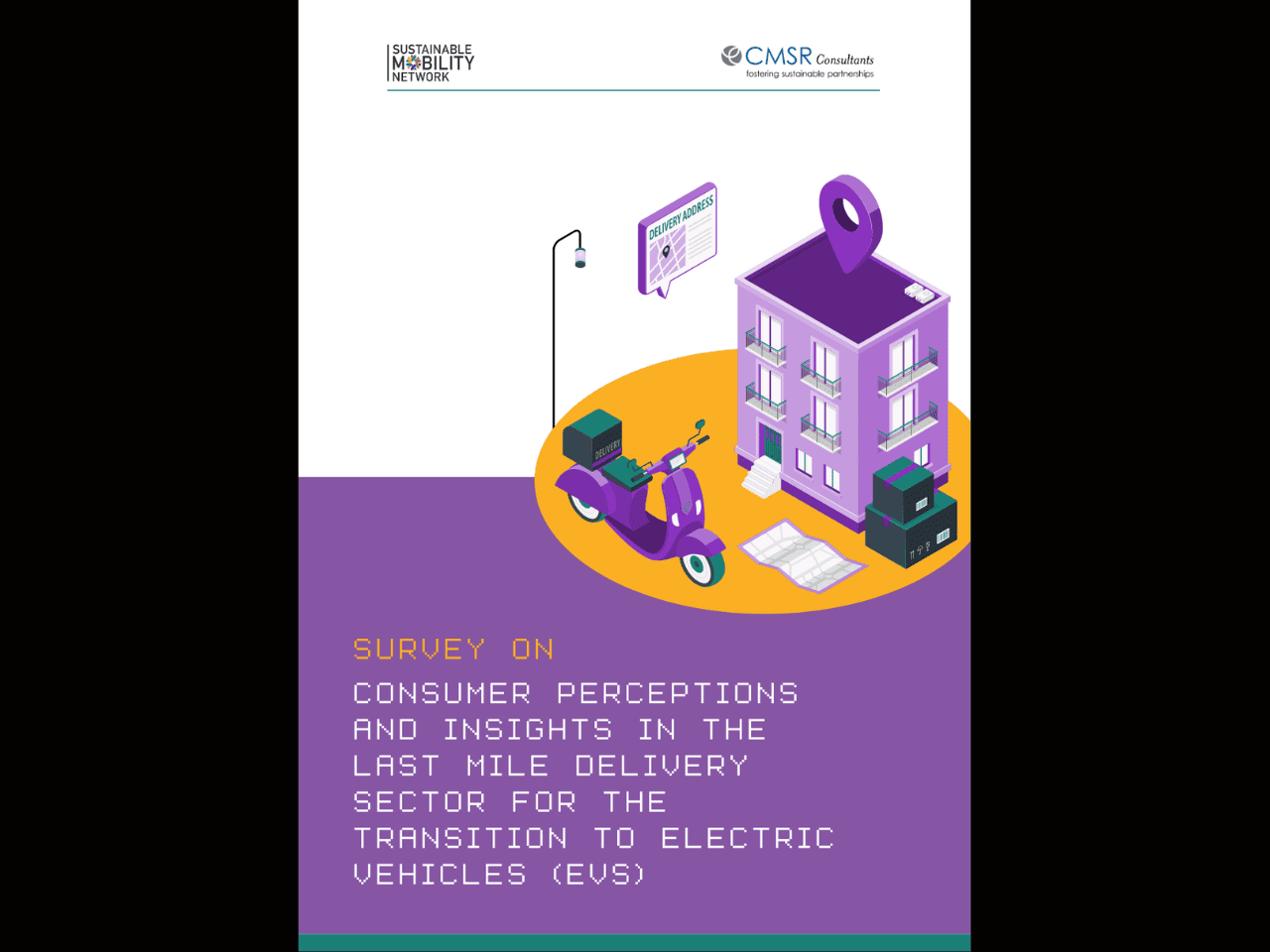
Survey on consumer Perceptions and Insights in the Last Mile Delivery Sector for the Transition to Electric Vehicles

A recent consumer survey revealed strong support for electric vehicle (EV) transition in the last-mile delivery sector across various Indian cities, including Bengaluru, Mumbai, Pune, and Kolkata. Over 80% of respondents in Bengaluru were willing to switch to brands with strong emission reduction commitments, while 98.1% pushed for EV transition of last-mile delivery fleets. This indicates a growing consumer demand for environmentally responsible delivery practices, with many expressing dissatisfaction with air pollution and a desire for more sustainable options.

Key Findings and Insights:

  • Strong Consumer Support: Consumers are increasingly aware of the environmental impact of last-mile delivery and are actively looking for brands that prioritize sustainability.
  • Willingness to Switch Brands: A significant portion of respondents are willing to switch to brands that have demonstrated commitment to reducing emissions, indicating that sustainability is a key factor in consumer decision-making.
  • Environmental Concerns: Consumers express dissatisfaction with air pollution levels and see the transition to EVs as a positive step towards addressing this issue.
  • Key Players Identified: Major delivery companies like Amazon, Flipkart, Zomato, Swiggy, and DHL were identified as key players in the sector’s potential shift to EVs.
  • Policy Support: The study also highlights the need for policy support to facilitate the transition to EVs in the last-mile delivery sector, including streamlining policies to ensure aggregators reduce emissions and providing incentives for EV adoption.
  • Specific City Data: The survey found varying levels of support across different cities, with Bengaluru, Mumbai, Pune, and Kolkata showing high levels of support for EV transition.
  • Emphasis on Air Pollution: Consumers in cities like Kolkata and Asansol, where air pollution levels are particularly high, expressed strong dissatisfaction and a desire for cleaner delivery practices.
  • Focus on Last-Mile Delivery: The survey specifically focused on the last-mile delivery sector, highlighting its significant contribution to emissions and the potential for EVs to reduce this impact.

Air Pollution Work in Maharashtra: August 2019 – August 2020

This report provides a comprehensive overview of Asar’s engagement and impact across various thematic and regional interventions, reflecting the organization’s mission to enable climate justice and environmental accountability through collaborative, data-driven, and grounded approaches.

Over the past cycle, Asar has prioritized building bridges between grassroots communities, regional actors, and policy platforms. A key achievement has been the establishment and strengthening of Communities of Practice (CoPs) in multiple geographies, fostering locally rooted climate action. These CoPs have facilitated mutual learning, collective problem-solving, and sustained advocacy on issues ranging from air pollution and climate education to ecological commons and just transitions.

Asar’s role in nurturing regional media networks and communication collectives has enabled the mainstreaming of climate narratives in languages and formats that resonate with local populations. Through workshops, capacity building, and narrative campaigns, the organization has supported journalists, content creators, and influencers in amplifying stories from the ground. Strategic use of arts, culture, and digital media has further expanded the reach and impact of these efforts.

The report also highlights Asar’s contributions to policy engagements—especially at the subnational level—where it has played a convening and knowledge-bridging role. It documents key wins in influencing state action plans, supporting climate-resilient livelihoods, and catalyzing public discourse on topics like air quality, energy transitions, and climate-induced migration.

Finally, internal learnings and feedback loops have been integral to Asar’s work, with a consistent emphasis on reflection, iteration, and community-led evaluation. This report underscores the importance of decentralization, inclusion, and long-term relationship-building in advancing meaningful and equitable climate action.

Asar remains committed to evolving its model, deepening partnerships, and scaling what works—so that climate solutions emerge not just from boardrooms, but from the collective wisdom of the communities most affected.