Popup Image

Share this powerful gallery of art and climate.

These paintings speak of survival, resistance, and care. Share this page with those who value community, creativity, and climate justice.

क्या समुदाय की आवाज़ साफ़ हवा दिला सकती है? बर्मामाइंस की कहानी, जहां लोगों ने धूल प्रदूषण के खिलाफ मिलकर आवाज़ उठाई

इस लेख में जानिए

  • बर्मामाइंस में धूल प्रदूषण स्थानीय लोगों के दैनिक जीवन और स्वास्थ्य को कैसे प्रभावित कर रहा था।
  • समुदाय की भागीदारी और स्थानीय वायु गुणवत्ता निगरानी ने इस मुद्दे को कैसे अधिक स्पष्ट बनाया।
  • क्यों स्वच्छ हवा सुनिश्चित करने के लिए केवल नियम नहीं, बल्कि लोगों की भागीदारी भी ज़रूरी है।

झारखंड का औद्योगिक शहर जमशेदपुर लंबे समय से उद्योगों, भारी वाहनों, निर्माण कार्यों और सड़क की धूल के कारण वायु प्रदूषण की चुनौती का सामना करता रहा है। बर्मामाइंस, जुगसलाई, मानगो और गोलमुरी जैसे क्षेत्रों में रहने वाले लोग वर्षों से धूल और खराब वायु गुणवत्ता की शिकायत करते रहे हैं। इन्हीं क्षेत्रों में वायु प्रदूषण को लेकर समुदाय के बीच जागरूकता बढ़ाने के उद्देश्य से आदर्श सेवा सदन और उसके युवा स्वयंसेवी नेटवर्क वायुवीर (Vayuveer) ने लगातार काम किया। समुदाय के साथ संवाद, वायु गुणवत्ता की निगरानी और स्थानीय समस्याओं को सामने लाने के प्रयासों ने लोगों को अपने पर्यावरण और स्वास्थ्य के प्रति अधिक सजग बनाया।

बर्मामाइंस स्थित एक बैचिंग प्लांट लंबे समय से स्थानीय लोगों के लिए चिंता का विषय बना हुआ था। स्थानीय निवासियों के अनुसार यहां सीमेंट, गिट्टी और अन्य निर्माण सामग्री मिलाकर तैयार मिश्रण विभिन्न निर्माण कार्यों में भेजा जाता था। इस प्रक्रिया के दौरान उड़ने वाली धूल आसपास की बस्ती, दुकानों और सड़कों तक पहुंच जाती थी। लोगों का कहना था कि कई बार घरों की खिड़कियां और दरवाजे बंद रखने पड़ते थे तथा हवा में महीन धूल लंबे समय तक बनी रहती थी।

असर और वायुवीर की टीम ने समुदाय के साथ बैठकों के दौरान लोगों से उनके अनुभव दर्ज किए और पोर्टेबल एयर क्वालिटी मॉनिटर (AQ Monitor) के माध्यम से स्थानीय स्तर पर वायु गुणवत्ता की निगरानी भी की। स्थानीय लोगों के अनुसार प्लांट के आसपास धूल का स्तर काफी अधिक महसूस होता था। यह डेटा और समुदाय की शिकायतें लोगों में इस मुद्दे के प्रति जागरूकता बढ़ाने का माध्यम बनीं।
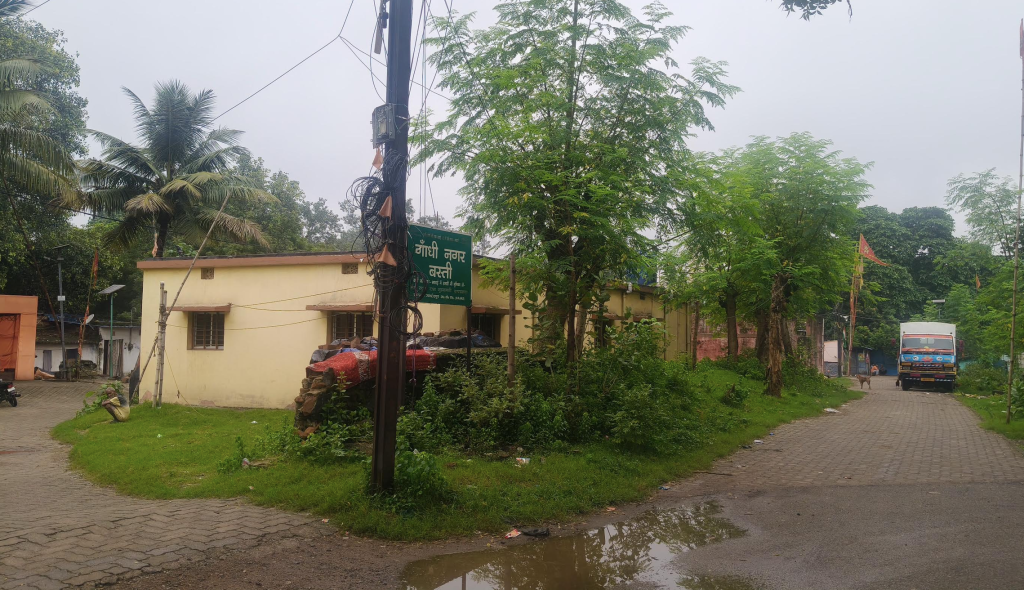
बर्मामाइंस के ऑटो चालक रमेश बताते हैं कि पहले प्लांट के सामने से गुजरना भी मुश्किल हो जाता था। उनके अनुसार हवा में सीमेंट की धूल इतनी अधिक रहती थी कि सांस लेने में परेशानी होती थी और इसका असर आसपास रहने वाले लोगों के स्वास्थ्य पर भी दिखाई देता था। वहीं कई स्थानीय दुकानदारों ने बताया कि उनकी दुकानों पर दिन में कई बार धूल जम जाती थी। विशेष रूप से खाद्य सामग्री बेचने वालों को ग्राहकों की शिकायतों का सामना करना पड़ता था और कारोबार भी प्रभावित होता था।


इस प्रदूषण का असर बच्चों पर भी दिखाई देता था। रणवीर (16 वर्ष), जो खालसा उच्च विद्यालय का छात्र है, ने बताया कि स्कूल आते-जाते समय उसे प्लांट के पास से गुजरना पड़ता था, जहां धूल की मात्रा काफी अधिक रहती थी। उसके अनुसार कई बार खांसी, सांस लेने में परेशानी और तबीयत खराब होने के कारण पढ़ाई भी प्रभावित होती थी। अभिभावकों ने भी बच्चों के स्वास्थ्य को लेकर चिंता व्यक्त की।


इस दौरान असर और वायुवीर ने समुदाय के साथ नियमित संवाद, स्थानीय बैठकों और वायु प्रदूषण के प्रति जागरूकता कार्यक्रमों के माध्यम से लोगों को यह समझाने का प्रयास किया कि स्वच्छ हवा उनका अधिकार है और प्रदूषण संबंधी समस्याओं को प्रशासन तथा संबंधित संस्थाओं तक पहुंचाना आवश्यक है। इन प्रयासों से स्थानीय लोगों में अपने अनुभव साझा करने और पर्यावरणीय मुद्दों पर आवाज उठाने का विश्वास बढ़ा।

उपलब्ध जानकारी के अनुसार जनवरी 2025 में जिला प्रशासन और झारखंड राज्य प्रदूषण नियंत्रण बोर्ड ने शहर के विभिन्न औद्योगिक प्रतिष्ठानों का संयुक्त निरीक्षण किया। मार्च 2025 में प्रस्तुत रिपोर्ट में बर्मामाइंस स्थित बैचिंग प्लांट को स्थानीय धूल प्रदूषण के प्रमुख स्रोतों में शामिल करते हुए इसे आबादी वाले क्षेत्र से बाहर स्थानांतरित करने की अनुशंसा की गई। बाद में यह प्लांट बंद हो गया अथवा दूसरे स्थान पर स्थानांतरित कर दिया गया। इसके बाद स्थानीय लोगों ने क्षेत्र की वायु गुणवत्ता में स्पष्ट सुधार महसूस किया।

स्थानीय निवासियों का कहना है कि प्लांट बंद होने के बाद हवा में उड़ने वाली धूल काफी कम हो गई है। दुकानदारों को बार-बार सफाई करने की आवश्यकता पहले की तुलना में कम पड़ती है और राहगीरों को भी राहत महसूस हो रही है। हालांकि प्लांट के बंद होने का आधिकारिक कारण सार्वजनिक रूप से स्पष्ट नहीं है, लेकिन यह अनुभव दिखाता है कि समुदाय की सक्रिय भागीदारी, पर्यावरणीय निगरानी, संस्थागत जांच और वायु प्रदूषण के प्रति बढ़ी जागरूकता मिलकर सकारात्मक परिवर्तन ला सकती है।


बर्मामाइंस का यह अनुभव दिखाता है कि वायु प्रदूषण जैसी चुनौतियों से निपटने के लिए केवल नियम और संस्थागत कार्रवाई ही पर्याप्त नहीं होती। समुदाय की भागीदारी, स्थानीय अनुभवों का दस्तावेजीकरण और नियमित पर्यावरणीय निगरानी भी उतनी ही महत्वपूर्ण है। इसी सोच के साथ असर और उसके युवा स्वयंसेवी नेटवर्क वायुवीर ने स्थानीय लोगों के साथ मिलकर संवाद, जागरूकता और वायु गुणवत्ता की निगरानी जैसे प्रयास किए, ताकि समुदाय अपनी चिंताओं को बेहतर ढंग से सामने रख सके। यह अनुभव बताता है कि जब समुदाय, संस्थाएं और प्रशासन मिलकर काम करते हैं, तो स्वच्छ हवा और स्वस्थ वातावरण की दिशा में सार्थक बदलाव की संभावनाएं मजबूत होती हैं।

जमशेदपुर के रिंकू पाल (23) ‘वायुवीर’ हैं। वह ग्रैजुएट हैं। अन्य वायुवीरों के साथ मिलकर चौपाल और अन्य कार्यक्रमों से समुदाय में वायु प्रदूषण पर जागरूकता अभियान चलाते हैं। वे AI और नवीन तकनीक के माध्यम से पर्यावरण और वायु प्रदूषण पर प्रयास कर रहे हैं और लगातार नए युवाओं को वायुवीर नेटवर्क से जोड़ रहे हैं। पर्यावरण संरक्षण के लिए JSW-TOI अवॉर्ड्स 2026 में ‘यंग क्लाइमेट चैंपियन’ सम्मान वायुवीरों को मिला जिसका वह एक हिस्सा रहे हैं।

Nagpur Breathed Bad Air for Half of Summer — Here’s Why

If you ask most people when India’s air quality crisis hits hardest, they’ll say winter — and they’ll say it happens in Delhi, or maybe Mumbai. For the “Orange City,” that script just got flipped.

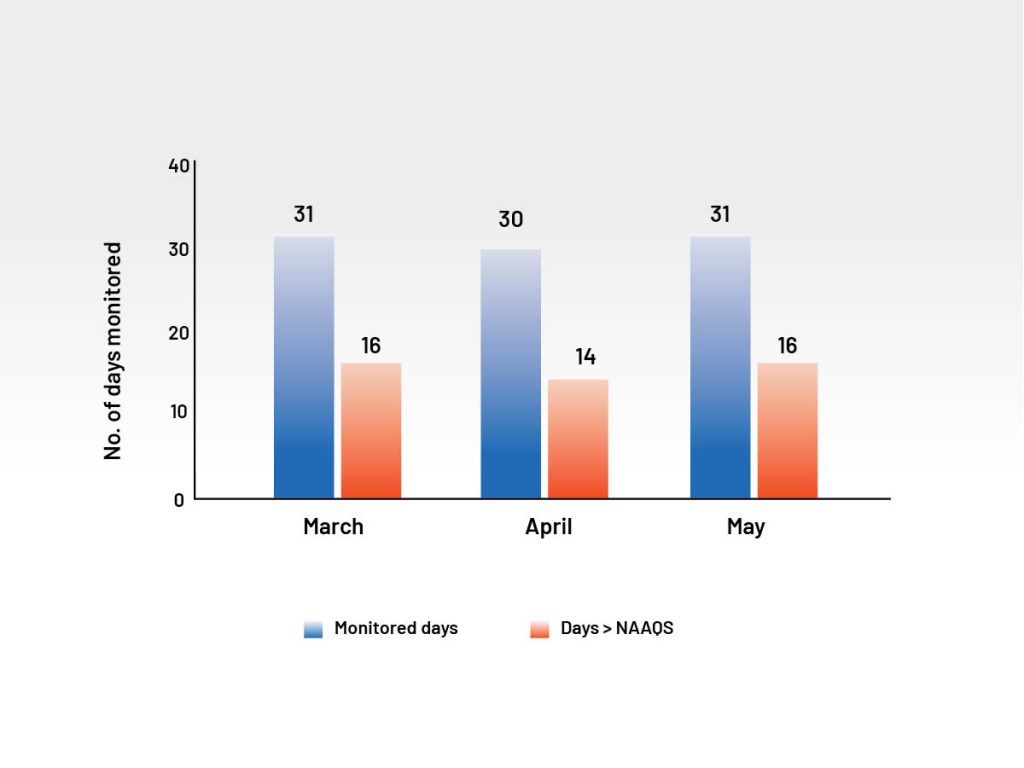
New Central Pollution Control Board (CPCB) data retrieved and analysed by Centre for Research on Energy and Clean Air (CREA) shows that Nagpur breached the national PM10 safety standard of 60µg/m3 on 46 of the 92 days between March and May 2026. Exactly half the summer. That’s not a stray bad week. It’s a city that was supposed to catch its breath after a brutal winter, and didn’t.

Nagpur, the largest city in central India and one of 130 non-attainment cities under the National Clean Air Programme (NCAP), had already logged elevated pollution through the winter of 2025–26. The expectation, as always, was that summer’s stronger winds and warmer air would clear things out. Instead, the numbers tell a different story: one that challenges two assumptions most of us carry about air pollution in India: that it’s a winter problem, and that it’s a big-metro problem.

This finding is significant because summer is generally expected to be a cleaner season. Stronger atmospheric mixing and the absence of winter inversion conditions typically help disperse pollutants more effectively. Yet Nagpur continued to record unhealthy PM10 levels throughout the season.

PM10 refers to inhalable particulate matter with a diameter of 10 micrometres or less, small enough to enter the respiratory system and affect human health. The annual standard for PM₁₀ in India is 60 μ g/m³, which is lenient than the annual WHO standard of 15 μ g/m³. Studies have shown that even acute exposure to PM concentrations has been linked to respiratory and cardiovascular health impacts, making sustained exceedances a matter of public health concern.

How Does Nagpur Compare?

It gets more striking when you put Nagpur next to its counterparts cities like Mumbai and Pune. While several major metropolitan areas enjoyed relatively cleaner summers, Nagpur kept racking up PM10 exceedances.

During the same 92-day monitoring period, Mumbai and Pune exceeded PM10 standards on only five to six days, compared to Nagpur’s 46 days. That gap is the real story here — it suggests Nagpur’s pollution problem isn’t seasonal at all, but baked into local, year-round emission sources.

Nagpur didn’t just lag behind Mumbai and Pune. It ranked among the most polluted urban centres in Maharashtra all summer, emerging as the second most polluted city in the state in May after Chandrapur and the fifth most polluted in April after Chandrapur, Belapur, Nanded and Parbhani.

What Could Be Driving Nagpur’s PM10 Problem?

So what’s actually behind this? An updated source apportionment study for Nagpur is currently underway, but previous assessments and media reports have consistently pointed towards the usual suspects:

  • Extensive construction activity across the city
  • Traffic-related emissions and road dust
  • Construction and demolition debris
  • Open burning of waste
  • Emissions from thermal power plants (TPPs)- 2 TPPs in Nagpur

The common thread: none of these sources take a summer break. Unlike winter’s weather-driven inversion, they keep pumping PM10 into the air no matter the season.

Hotspots Within the City

A closer look at station-level data makes the trend even clearer. Among the city’s monitoring locations, the GPO Civil Lines and Mahal CAAQM stations consistently recorded PM₁₀ levels above permissible limits throughout the summer months. This highlights the value of examining local, on-ground activities that may be contributing to elevated pollution levels in these areas. At the same time, Nagpur’s monitoring network remains at only four CAAQM stations currently being operational. Urban emission estimates suggest that a city of this scale requires at least 22 stations for comprehensive and reliable air quality monitoring.

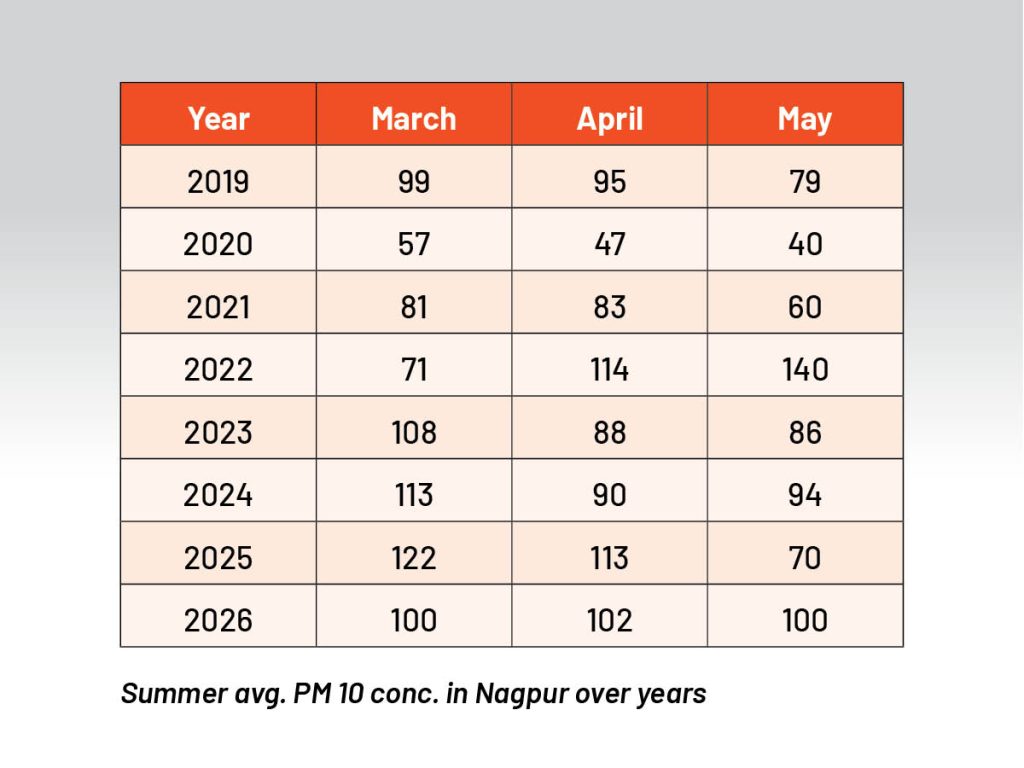
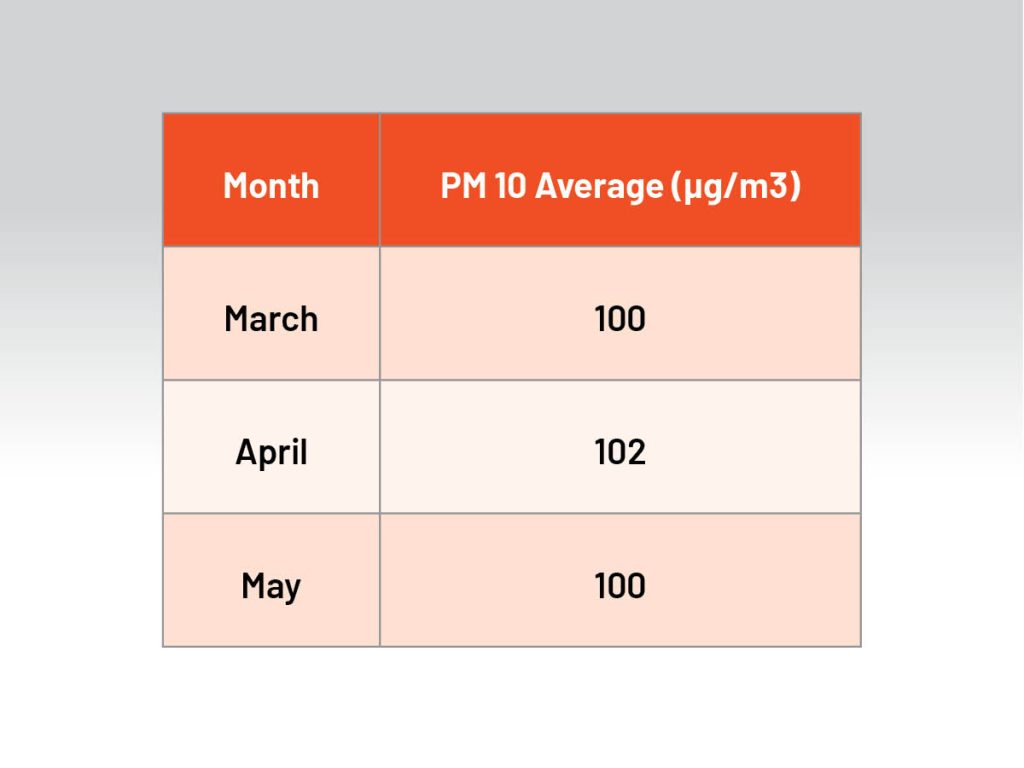
And here’s the headline number: the average PM10 concentration recorded in May 2026 was approximately 100 µg/m³, making it the second most polluted May in the last eight years, surpassed only by May 2022.

Look at the table, and the pattern is hard to miss: elevated PM10 levels in Nagpur aren’t a one-off. They keep coming back.

NCAP Fund Utilisation & What Needs to Happen Next?

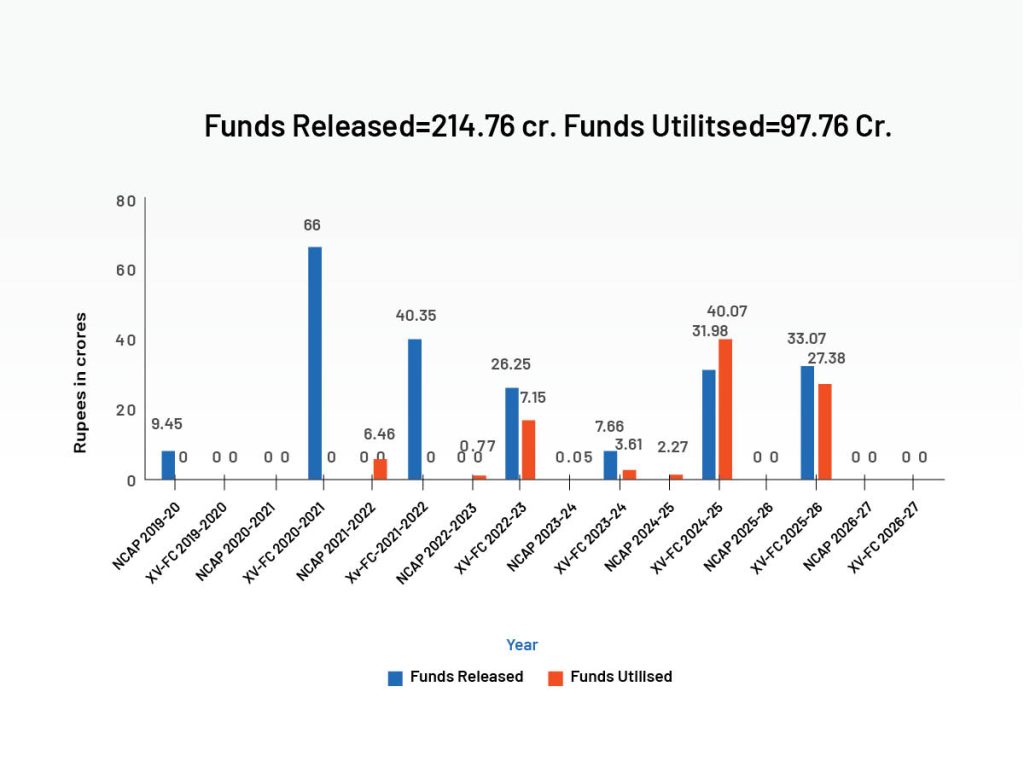
Here’s where it gets harder to explain away: Nagpur has received ₹214.76 crore under the National Clean Air Programme. Only ₹97.76 crore of it has reportedly been spent so far — less than half.

That leaves an uncomfortable question hanging: given how persistent the PM10 problem is, why has implementation been so slow? Funding allocation is a critical first step, but translating these resources into on-ground interventions is what actually moves the needle on air quality. Moreover, there is lesser transparency on where the funds are being utilised as well which should be addressed.

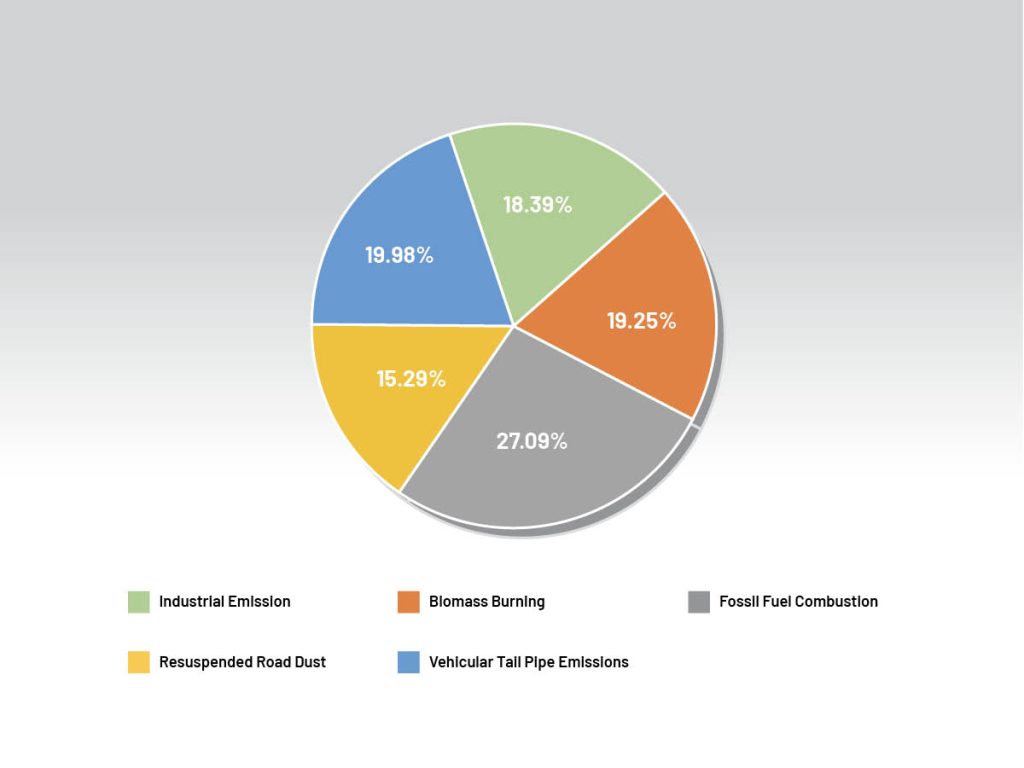
The city’s continued struggle with PM10 suggests that local emission sources – particularly industrial, road dust, biomass burning, fossil fuel combustion and vehicular emissions require sustained attention throughout the year.

Percentage Contribution of Sources for PM 10 (2022)

Nagpur has taken some positive steps towards improving waste management through the establishment and support of Dry Waste Collection Centres and other waste-processing facilities.

Construction and demolition activities, road dust resuspension, and traffic emissions are likely contributors that require stronger monitoring and enforcement. At the same time, potential under-recognised sources such as MSMEs (327,633 registered MSMEs), crematoria (50% of the surveyed crematoriums in 2023 exclusively used wood), bakeries, brick kilns, and other small-scale industries must also be assessed for their contribution to the city’s pollution burden.

Addressing Nagpur’s air pollution requires a few critical steps: 

  • First, an updated source apportionment study is essential to clearly identify the major contributors to pollution. 
  • Equally important is greater transparency around the sectoral interventions that have been implemented so far. 

These measures must go beyond surface-level actions and target emissions at their source- such as controlling biomass burning, reducing vehicular emissions, and curbing pollution from thermal power plants – rather than relying predominantly on short-term dust control practices like water sprinkling.

The larger lesson from Nagpur is hard to ignore. Cities that treat air pollution as a winter-only problem are missing half the picture — literally half, in Nagpur’s case. Summer, it turns out, may no longer be the clean season we assumed it was.

And remember, this is what the winter of 2025-2026 already looked like. Nagpur needs to get ahead of this before the next one arrives, so its citizens can finally breathe easy.

Rising Heat, Shared Responsibility: A Curation of Resources on Extreme Heat

As India faces rising temperatures and more frequent heatwaves, the country’s battle with extreme heat has become one of its most pressing climate challenges. From urban neighbourhoods to rural farmlands, heat is now a cross-cutting risk — affecting health, livelihoods, energy demand, and ecosystems alike.

Recent years have seen record-breaking heatwaves arriving earlier in the season, lasting longer, and impacting regions once considered temperate. The India Meteorological Department (IMD) has noted an increase in both the intensity and duration of heat spells across central and northern India. The human and economic costs are mounting: workers face lost income, agricultural yields decline, and heat-related illnesses strain local health systems.

Amid these challenges, Indian organisations, researchers, and communities are advancing knowledge and action on how to live with — and adapt to — extreme heat. The following resources, curated by Rohini Nilenkani Philanthropies, capture insights, data, and local solutions shaping India’s heat resilience landscape.

Local Action and Data-Driven Planning

The Council on Energy, Environment and Water (CEEW) has been at the forefront of mapping India’s heat risks and highlighting community responses. Its publication, India’s Heatwave Heroes: Local Solutions in a Hotter World, features stories of innovation from across India — from climate-resilient agriculture to neighbourhood-level cooling interventions.

In How Extreme Heat is Impacting India: Assessing District-level Heat Risk, CEEW provides a data-backed analysis identifying the most vulnerable districts and population groups. These findings help guide targeted investments and policy interventions for local governments and development planners.

Urban Adaptation and Public Infrastructure

The Indian Institute for Human Settlements (IIHS) offers a regional perspective through Facing a Familiar Foe: Adapting to Heat in South Asia, which explores how cities can integrate heat adaptation into urban planning, public health, and governance frameworks.

The Sustainable Futures Collaborative (SFC) expands on this through its Community of Practice for Extreme Heat Management in Public Transport Systems. The guidance document outlines practical steps for city agencies and transport operators to safeguard commuters and workers from heat exposure. Listen to a podcast on The Big India Melt: From Heat Stress to the Politics of Shade here.

Health, Work, and Communication

Extreme heat affects everyone, but its impact is most severe on informal workers, farmers, and low-income households. The Prayas (Energy Group) report Beyond Strokes: How Dangerous is Extreme Heat? highlights the public health implications of heatwaves, urging greater awareness and institutional preparedness.

Cooling for All

Globally, the Rocky Mountain Institute (RMI)’s Beating the Heat: A Sustainable Cooling Handbook for Cities provides a framework for cooling strategies that are equitable, energy-efficient, and sustainable — a useful guide for Indian cities seeking to design climate-smart infrastructure.

India’s response to extreme heat will define how its cities and communities adapt to a changing climate. These resources collectively highlight that resilience is not only about technology — it is about governance, inclusion, and communication. Strengthening local capacity, improving early warning systems, and sharing practical knowledge can help India stay cool, safely and sustainably.

Explore the Resources

1. Council on Energy, Environment and Water (CEEW)

2. Institute of Social Studies Trust (ISST)

3. Indian Institute for Human Settlements (IIHS)

4. Asar Social Impact Advisors

5. Sustainable Futures Collaborative (SFC)

6. Prayas (Energy Group)

7. Rocky Mountain Institute (RMI)